manual steering cars
Manual steering offers a direct connection to the road, prized for its simplicity and reliability, especially in off-road vehicles and classic cars.
It provides direct road feel, though it demands more driver effort, a trade-off appreciated by enthusiasts seeking enhanced control and feedback.
What is Manual Steering?
Manual steering is a vehicle steering system that relies entirely on the driver’s physical strength to turn the wheels, utilizing a direct mechanical linkage between the steering wheel and the wheels themselves. Unlike power steering, it lacks hydraulic or electric assistance.
This means the driver must overcome the resistance of the tires and road directly, providing a direct road feel and feedback. The system consists of a steering wheel, steering column, steering gearbox, and linkages like tie rods connecting to the steering knuckles.
It’s a simpler design, historically prevalent before the widespread adoption of power assistance, and continues to be valued for its simplicity and responsiveness in specific applications.
Historical Context of Manual Steering
Manual steering was the standard for nearly the entire history of automobiles, from the earliest models until the mid-20th century. Early cars demanded significant driver effort due to the lack of assistance. As vehicles became heavier and roads less forgiving, the need for assistance grew.
The introduction of power steering in the 1950s offered a solution, but manual steering remained common, particularly in lighter vehicles and those prioritizing simplicity.
Today, it’s largely found in classic and vintage cars, off-road vehicles where reliability is paramount, and niche applications where drivers desire a direct connection to the road.
The Mechanics of Manual Steering
Manual steering relies on a direct mechanical linkage from the steering wheel to the steering gearbox, then to tie rods and steering knuckles, requiring driver force.
Steering Wheel and Steering Column
The steering wheel serves as the primary input device, directly connected to the steering column. In a manual steering system, all driver-applied force is transmitted through this column without hydraulic assistance.
The column itself is a crucial component, typically constructed of steel for rigidity and safety. It transmits rotational motion from the wheel to the steering gearbox.
Unlike power steering systems, there are no pumps, hoses, or fluid reservoirs involved, simplifying the design and reducing potential failure points. The diameter and shape of the steering wheel can influence the mechanical advantage and driver effort required.
Steering Gearbox: The Core Component
The steering gearbox is the heart of a manual steering system, converting the rotational motion from the steering column into the linear motion needed to turn the wheels. It utilizes a set of gears – often a worm and sector or recirculating ball design – to achieve this.
The gear ratio within the gearbox dictates the mechanical advantage; a higher ratio requires more steering wheel input but provides greater force multiplication.
This component directly impacts the road feel and responsiveness, offering a more connected driving experience compared to assisted systems. Its robust construction ensures durability and reliability.
Tie Rods and Steering Knuckles
Tie rods are crucial links connecting the steering gearbox to the steering knuckles, transmitting the force to pivot the front wheels. These robust rods, typically with ball joints at each end, allow for precise directional control.
Steering knuckles house the wheel bearings and provide the mounting point for the tie rods and suspension components.
Proper alignment and maintenance of these parts are vital for optimal steering performance and tire wear. Any play or damage can significantly impact handling and safety in a manual steering system.

Advantages of Manual Steering
Manual steering provides direct road feel, enhanced reliability due to its simplicity, reduced weight, and often, significant cost-effectiveness in both purchase and upkeep.
Direct Road Feel and Feedback
Manual steering systems excel in transmitting nuanced information from the road directly to the driver. Unlike power steering, which filters out some sensations, a manual setup allows you to feel subtle changes in the road surface, enhancing awareness and control.
This direct feedback is highly valued by driving enthusiasts and those prioritizing connection with the vehicle. It enables quicker reactions to road imperfections and a more intuitive understanding of tire grip. While potentially tiring during prolonged driving, this unfiltered connection provides a uniquely engaging experience, fostering a deeper sense of control and confidence.
Simplicity and Reliability
Manual steering systems boast remarkable simplicity, utilizing a purely mechanical linkage between the steering wheel and the wheels. This design inherently reduces the number of potential failure points compared to complex power steering setups.
The absence of hydraulic pumps, hoses, and fluid reservoirs contributes to increased reliability, particularly in demanding environments. This makes manual steering a favored choice for off-road vehicles and classic cars where durability is paramount. Fewer components also translate to easier maintenance and potentially lower long-term ownership costs.
Reduced Weight
Manual steering systems contribute to a vehicle’s overall weight reduction by eliminating the components associated with power steering. The absence of a hydraulic pump, high-pressure hoses, and a power steering gearbox results in a lighter front end.
This reduced weight can positively impact vehicle handling, acceleration, and fuel efficiency. In performance applications, such as racing, minimizing weight is crucial, making manual steering a viable option for drivers prioritizing agility and responsiveness. It’s a subtle but significant advantage for those seeking a more connected driving experience.
Cost-Effectiveness: Initial and Maintenance
Manual steering systems generally present a more cost-effective solution both initially and over the vehicle’s lifespan. The initial purchase price is lower due to fewer components compared to power steering. Furthermore, the simplicity of the system translates to reduced maintenance requirements and potential repair costs.
Eliminating hydraulic fluid, pumps, and complex mechanisms minimizes the risk of leaks and failures. This makes manual steering an attractive option for budget-conscious owners or those maintaining classic cars where parts availability can be a concern.
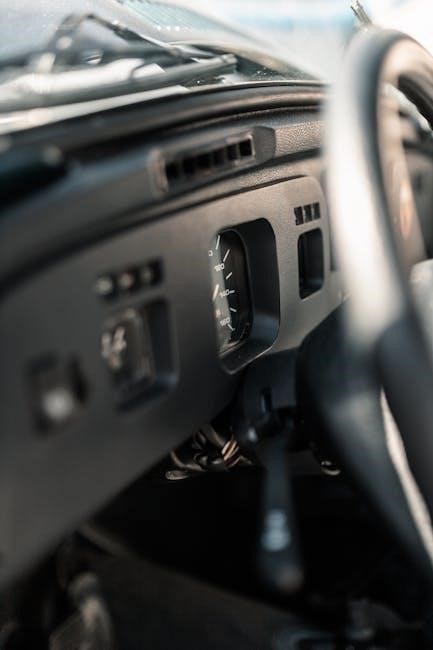
Disadvantages of Manual Steering
Manual steering requires significantly more driver effort, especially at low speeds, potentially leading to fatigue. It isn’t ideal for all drivers or vehicles.
Increased Driver Effort
Manual steering fundamentally relies on the driver’s muscle power to initiate and maintain turns, unlike power steering systems which utilize hydraulic or electric assistance. This translates to a noticeable increase in the physical exertion required, particularly during parking maneuvers or navigating tight spaces.
The absence of assistance means drivers must apply considerably more force to the steering wheel, especially at standstill or very low speeds. While some drivers appreciate this direct connection, it can be physically demanding, especially for those with limited upper body strength or during extended driving sessions.
This increased effort is a core characteristic of manual steering and a primary reason why it’s less common in modern vehicles designed for ease of use.
Fatigue During Low-Speed Maneuvers
Manual steering systems exhibit a pronounced tendency to induce driver fatigue, particularly during slow-speed operations like parking, navigating crowded city streets, or performing three-point turns. The lack of power assistance necessitates sustained muscular effort, quickly leading to arm and shoulder strain.
Maintaining control at low speeds requires constant corrections and significant force on the steering wheel, exacerbating fatigue. This is especially noticeable in heavier vehicles where the steering resistance is naturally higher.
Extended periods of this exertion can become uncomfortable and even debilitating, making manual steering less practical for everyday driving scenarios.
Not Ideal for All Drivers
Manual steering isn’t universally suitable, presenting challenges for certain drivers. Individuals with limited upper body strength, such as the elderly or those with physical limitations, may find the required effort excessive and difficult to manage consistently.
Drivers accustomed to the ease of power steering might struggle with the increased physical demand, particularly during frequent or prolonged driving sessions; The direct feedback, while appreciated by some, can also feel harsh or jarring to others.
Ultimately, driver preference and physical capability play crucial roles in determining suitability.

Manual Steering vs. Power Steering: A Detailed Comparison
Manual steering provides direct feel but requires more effort, while power steering assists with ease, particularly at low speeds, impacting high-speed stability.
Low-Speed Performance Differences
Manual steering significantly increases driver exertion during low-speed maneuvers like parking or navigating tight spaces. The absence of hydraulic assistance demands considerably more physical strength and effort to turn the steering wheel, potentially causing fatigue.
Conversely, power steering dramatically reduces this effort, making low-speed operation effortless. This difference is particularly noticeable in heavier vehicles or those with larger tires. While manual systems offer a direct feel, power steering’s ease of use is often preferred for daily driving convenience, especially in urban environments.
High-Speed Stability Comparison
At higher speeds, the advantages of manual steering lie in its direct connection and predictable response. Drivers experience a more intimate feel for the road, potentially enhancing control and stability, particularly for experienced drivers accustomed to the system.
However, power steering can offer enhanced stability through speed-sensitive assistance, adjusting the level of aid based on vehicle speed. This can counteract road imperfections and maintain a smoother trajectory. While manual steering isn’t inherently unstable, power steering often provides a more forgiving and relaxed high-speed driving experience.
Mechanical Advantage and Steering Ratio
Manual steering systems rely entirely on the driver’s input, translating force through a fixed steering ratio. A higher ratio requires more steering wheel rotation for a given wheel turn, offering greater mechanical advantage – easier turning, but less responsiveness.
Conversely, a lower ratio demands less wheel rotation, providing quicker steering but requiring significantly more driver effort. Power steering alters this by assisting the driver, effectively reducing the required torque. The choice depends on desired feel and application, impacting both control and fatigue.

Applications Where Manual Steering Excels
Manual steering thrives in off-road vehicles, classic cars, and racing, where reliability, direct feedback, and driver control are paramount, outweighing ease of use.
Off-Road Vehicles and Reliability
Manual steering systems are exceptionally well-suited for off-road vehicles due to their inherent robustness and dependability. Unlike power steering, which relies on a pump and hydraulic lines prone to failure in harsh environments, manual steering boasts a simpler mechanical design.
This simplicity translates to fewer potential points of failure when navigating challenging terrain. The absence of hydraulic components eliminates concerns about leaks or pump malfunctions caused by impacts or debris. Reliability is crucial when far from assistance, and manual steering delivers consistent performance, offering drivers confidence in demanding situations.
The direct connection to the steering linkage also provides enhanced tactile feedback, allowing drivers to better sense the terrain and maintain control.
Classic and Vintage Cars
Manual steering is often retained in classic and vintage cars as a crucial element of their original driving experience. Many enthusiasts value the authentic feel and connection to the vehicle that manual steering provides, considering it integral to the car’s character.
Converting these vehicles to power steering can detract from their historical accuracy and potentially introduce unwanted complexity. Maintaining the original manual system preserves the intended driving dynamics and avoids altering the vehicle’s fundamental design.
Furthermore, sourcing and installing power steering components can be challenging and expensive for older models, making manual steering a practical and desirable choice.
Racing Applications and Driver Control
Manual steering offers racers a heightened sense of driver control and direct road feel, crucial for precise handling and responsiveness on the track. The absence of power assistance allows drivers to intimately understand the car’s behavior and react accordingly.
While demanding greater physical effort, this direct connection provides invaluable feedback regarding tire grip and road conditions. Racers often prioritize this feedback over the convenience of power steering, especially in scenarios where minimal weight is paramount.
The simplicity of a manual system also reduces potential failure points during intense competition.
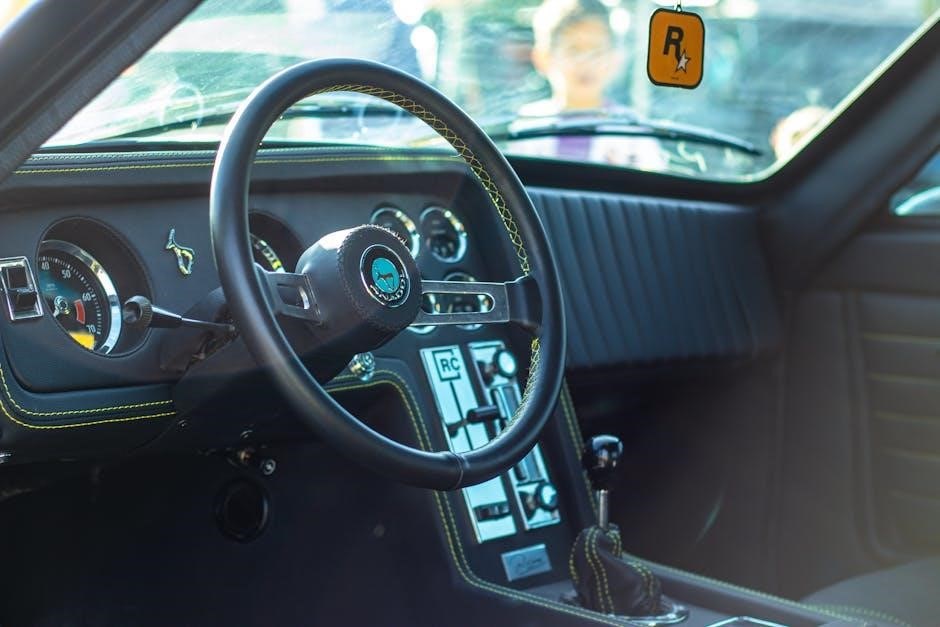
Converting to Manual Steering
Conversion requires careful consideration, sourcing a manual steering gearbox, tie rods, and addressing potential installation challenges, like column compatibility and alignment.
Considerations Before Conversion
Before converting to manual steering, honestly assess your driving style and vehicle usage. This system demands significantly more physical effort, particularly at low speeds, making parking and maneuvering more challenging.
Evaluate if the increased driver involvement aligns with your preferences; it’s not ideal for everyone. Consider the vehicle’s intended purpose – is it a daily driver, a weekend classic, or an off-road machine?
Factor in potential safety implications, as quicker reactions are needed. Thoroughly research compatibility with your vehicle’s chassis and ensure you understand the scope of the project before committing.
Required Parts for Conversion
A complete manual steering conversion necessitates several key components. You’ll need a manual steering gearbox, compatible with your vehicle’s chassis, alongside a new steering column if the existing one isn’t suitable.
Tie rods and steering knuckles are crucial for connecting the gearbox to the wheels, ensuring precise control. Don’t forget a steering wheel, potentially with a smaller diameter for increased leverage.
Essential supporting parts include mounting brackets, bushings, and hardware. Finally, a fluid flush kit is needed to remove remnants of the power steering system.
Potential Challenges During Installation
Converting to manual steering isn’t always straightforward. Expect potential difficulties aligning the steering components correctly, demanding precise measurements and adjustments. U-joint binding can occur if the steering shaft isn’t properly aligned, hindering smooth operation.
Modifying mounting brackets might be necessary, requiring welding or fabrication skills. Ensuring adequate clearance for the manual gearbox, especially in tight engine bays, presents another hurdle.
Finally, achieving optimal steering feel demands careful adjustment of the steering box and tie rod ends.

Maintaining a Manual Steering System
Regular inspection of components, along with proper lubrication and adjustment, are crucial for longevity. Address any play or looseness promptly to ensure optimal performance.
Regular Inspection of Components
Consistent checks of the steering wheel, steering column, gearbox, tie rods, and steering knuckles are vital. Look for any signs of wear, damage, or looseness in these key areas. Inspect tie rod ends for play, as excessive movement indicates potential failure.
Carefully examine the steering gearbox for leaks or unusual noises during operation. Ensure all connections are secure and properly tightened. A visual inspection can reveal cracked or worn components before they become major issues, preserving the system’s reliability and responsiveness.
Lubrication and Adjustment
Proper lubrication is crucial for a smooth and long-lasting manual steering system. Regularly grease tie rod ends and steering knuckles to minimize friction and wear. The steering gearbox requires specific lubricant, so consult your vehicle’s manual for the correct type.
Adjustment of the steering gearbox may be necessary to eliminate excessive play in the steering wheel. This ensures precise control and minimizes wandering. Always follow the manufacturer’s specifications when making adjustments, as incorrect settings can compromise safety and handling.
Troubleshooting Common Issues
Common issues with manual steering include excessive play in the steering wheel, stiff steering, and unusual noises. Play often indicates wear in the gearbox or tie rod ends. Stiffness can stem from lack of lubrication or binding components.
Noises, like clunking, may signal loose joints or worn parts. Inspect all connections for tightness and check for damaged components. If issues persist, professional diagnosis is recommended to ensure safe and effective repairs, preventing further damage and maintaining optimal control.

The Future of Manual Steering
Manual steering will likely remain a niche preference, driven by enthusiast demand and applications prioritizing reliability, alongside advancements in broader steering systems.
Potential hybrid systems could blend mechanical feel with assistance, catering to a desire for driver engagement.
Niche Applications and Enthusiast Demand
Manual steering continues to thrive in specific areas where its inherent qualities are highly valued. Off-road vehicles, for instance, benefit from the system’s robustness and lack of reliance on hydraulic systems prone to failure in harsh environments.
Classic and vintage car owners often maintain manual steering for authenticity and a purist driving experience. Beyond these practical applications, a dedicated community of driving enthusiasts actively seeks out and preserves manual steering systems.
They appreciate the direct road feel and increased driver control it provides, viewing it as a more engaging and rewarding connection to the vehicle. This demand sustains a market for manual steering components and conversions.
Technological Advancements in Steering Systems
While manual steering remains largely unchanged in its core principles, advancements in materials and manufacturing offer subtle improvements. Lighter-weight steering columns and more efficient gearbox designs can reduce driver effort without sacrificing the direct feel.
Interestingly, the broader field of steering technology is exploring hybrid systems – combining manual feel with electronic assistance for specific maneuvers. These systems aim to provide the benefits of both worlds.
Furthermore, variable-ratio steering, often electronically controlled, allows for optimized responsiveness at both low and high speeds, potentially mimicking the advantages of a manual setup.
Potential for Hybrid Systems
Hybrid steering systems represent a fascinating evolution, blending the purity of manual steering with modern assistance. These systems could offer a touch of power steering during low-speed maneuvers – like parking – while retaining the direct road feel at higher speeds.
Such a setup could mitigate the increased driver effort associated with purely manual systems, broadening its appeal. Electronic control could dynamically adjust assistance levels based on speed and driving conditions.
Ultimately, a well-executed hybrid system might deliver the best of both worlds, appealing to enthusiasts and everyday drivers alike.

Safety Considerations with Manual Steering
Proper steering technique and awareness of increased effort are crucial with manual systems. Anticipate more force, especially during parking or low-speed turns.
Vehicle-specific characteristics demand mindful adaptation for safe operation;
Proper Technique for Steering
Effective steering in a manual system requires a proactive approach. Unlike power steering, anticipate turns and initiate steering input before the maneuver is needed. Avoid sudden, jerky movements, as these demand significantly more effort and can compromise control.
Maintain a firm grip on the steering wheel, utilizing both hands for optimal leverage. During low-speed maneuvers, like parking, a smooth, controlled application of force is essential. Remember, the direct road feel means you’ll sense resistance – use it to gauge the vehicle’s response and adjust accordingly.
Be prepared for increased physical exertion, particularly in heavier vehicles or challenging terrain.
Awareness of Increased Effort
Manual steering inherently demands greater physical exertion from the driver compared to power-assisted systems. This is particularly noticeable during low-speed maneuvers, such as parking or navigating tight spaces, where significant force may be required to turn the wheel;
Drivers should be acutely aware of this increased effort, especially those accustomed to power steering. Anticipate the need for more strength and adjust driving style accordingly. Fatigue can set in during prolonged driving, so be mindful of your physical condition.
Consider the vehicle’s weight and tire pressure, as these factors directly impact steering effort.
Vehicle Specific Considerations
Manual steering suitability varies greatly depending on the vehicle. Classic and vintage cars often came equipped with manual systems, and maintaining this setup preserves authenticity. However, converting a modern vehicle designed for power steering requires careful evaluation.
Vehicle weight, tire size, and intended use are crucial factors. Heavier vehicles or those with larger tires will present a significantly greater steering challenge. Off-road vehicles benefit from the simplicity and reliability of manual steering, but require robust drivers.
Assess your driving needs and the vehicle’s characteristics before making any modifications.

Resources for Manual Steering Information
Online forums like r/MechanicAdvice and repair manuals offer valuable insights. Automotive parts suppliers can provide components and guidance for your project.
Online Forums and Communities
Online forums, such as the discussions found on Reddit’s r/MechanicAdvice, represent a vibrant hub for enthusiasts and professionals alike. These platforms facilitate knowledge sharing regarding manual steering conversions, troubleshooting, and maintenance.
Users frequently discuss the advantages of a manual steering rack, comparing it to power steering systems and detailing the nuances of steering ratios.
These communities offer a space to ask questions, share experiences, and access a wealth of practical advice from individuals actively working with manual steering systems in various applications, from off-road vehicles to classic cars.
Repair Manuals and Guides
Repair manuals specific to your vehicle are invaluable resources when working with manual steering. They provide detailed diagrams, torque specifications, and step-by-step instructions for inspection, adjustment, and component replacement.
These guides often cover troubleshooting common issues, like excessive play or binding, and explain the proper procedures for lubrication and component inspection.
Accessing these resources ensures accurate repairs and helps maintain the integrity of the manual steering system, contributing to safe and reliable vehicle operation, especially in classic cars.
Automotive Parts Suppliers
Automotive parts suppliers are crucial for sourcing components for manual steering systems, whether for routine maintenance or complete overhauls. Reputable suppliers offer genuine or high-quality aftermarket parts, including tie rods, steering gearboxes, and steering wheel components.
When selecting a supplier, prioritize those with knowledgeable staff who can assist in identifying the correct parts for your specific vehicle.
Ensure the supplier offers warranties and reliable shipping to guarantee satisfaction and minimize downtime during repairs or conversion projects.