printable map skills worksheets pdf
Article Plan: Printable Map Skills Worksheets PDF
This article details printable map skills worksheets, covering essential geography concepts like directions, scale, symbols, and coordinates,
benefiting educators and students alike․
Map skills worksheets are fundamental tools in geography education, designed to cultivate a student’s ability to interpret and analyze spatial information․ These printable resources move beyond simply locating places; they foster critical thinking about the world around us․ Historically, understanding maps was crucial – consider the context of the 1916 Ontario Temperance Act, where mapping distribution networks (though illicit) would have been vital․
Today, worksheets provide structured practice in deciphering map elements like symbols, legends, and scales․ They cater to diverse learning styles, offering visual and kinesthetic learners a hands-on approach․ From basic cardinal direction exercises to complex topographic map reading, these worksheets build a solid foundation for geographical literacy․ They are invaluable for reinforcing classroom lessons and preparing students for real-world applications․
Why Use Printable Map Skills Worksheets?
Printable map skills worksheets offer numerous advantages for both educators and learners․ They are a cost-effective resource, eliminating the need for expensive textbooks or digital subscriptions․ The tactile nature of paper-based worksheets enhances engagement and retention, particularly for younger students․ Furthermore, they provide opportunities for individualized practice and assessment, allowing teachers to pinpoint areas where students need extra support․
Considering historical contexts, like analyzing the impact zones affected by the Ontario Temperance Act, maps were essential․ Worksheets help students develop these analytical skills․ They are easily integrated into lesson plans, supplementing classroom instruction and homework assignments․ Accessibility is also a key benefit, as worksheets can be readily adapted for students with diverse learning needs, fostering inclusivity in the classroom․
Types of Map Skills Covered
Printable map skills worksheets encompass a broad spectrum of geographical competencies․ Core skills include understanding cardinal directions (North, South, East, West) and intermediate directions (Northeast, Southeast, Northwest, Southwest), crucial for orientation and navigation․ Worksheets also focus on scale and distance measurement, enabling students to calculate real-world distances using map scales․
Beyond these fundamentals, worksheets delve into map symbols and legends, teaching students to decipher the meaning behind visual representations of features․ More advanced worksheets introduce latitude and longitude for precise location identification․ Skills related to compass rose interpretation and utilizing grid systems with coordinates are also commonly covered, building a strong foundation for spatial reasoning and analytical thinking․
Cardinal Directions & Intermediate Directions
Worksheets dedicated to cardinal and intermediate directions form the bedrock of map reading skills; These exercises typically begin with identifying the four cardinal directions – North, South, East, and West – on a compass rose or map․ Students then practice describing the location of objects relative to these directions, using phrases like “north of” or “west of․”
Progressing from this, worksheets introduce intermediate directions: Northeast, Northwest, Southeast, and Southwest․ Activities involve pinpointing locations using these combined directions and understanding their placement between the cardinal points․
These skills are essential for basic navigation and spatial awareness, providing a foundational understanding for more complex map concepts․
Scale and Distance Measurement
Understanding map scale is crucial for determining real-world distances․ Worksheets focusing on this skill present maps with various scales – represented as ratios (e․g․, 1:10,000) or graphic scales (a bar showing distance)․ Students learn to interpret these scales and calculate distances between points on the map․
Exercises often involve measuring distances on the map with a ruler and then converting those measurements to actual ground distances using the provided scale․ These worksheets may include practical problems, such as planning a route and estimating travel time․ Mastery of scale and distance measurement allows students to grasp the relationship between map representation and reality․
Understanding Map Symbols
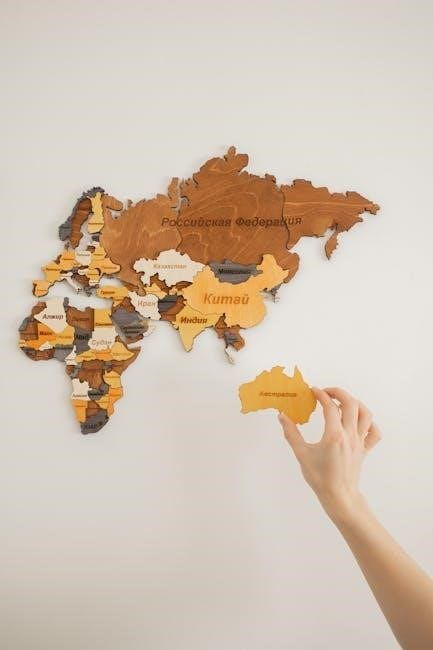
Maps utilize symbols to represent features – cities, rivers, mountains, roads – efficiently․ Printable worksheets dedicated to map symbols introduce students to common symbols used in cartography․ These worksheets typically present a map with unlabeled symbols, requiring students to identify what each represents․
Activities often involve matching symbols to their corresponding features or using a key to interpret the map․ More advanced worksheets might ask students to create their own maps using specific symbols; Developing symbol recognition is fundamental to decoding map information and understanding the landscape it portrays․ Worksheets reinforce this skill through repetition and visual learning․
Reading Map Legends

A map legend, or key, is crucial for interpreting map symbols and understanding the information presented․ Printable worksheets focusing on map legends challenge students to decipher the meaning behind various symbols, colors, and patterns used on maps․ These exercises build essential decoding skills, enabling students to accurately read and interpret geographical data;
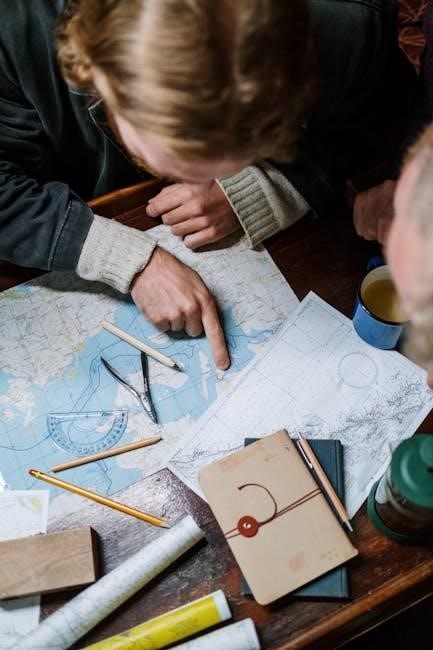
Worksheets often present maps with questions requiring students to consult the legend for answers․ Activities might involve identifying features based on legend information or explaining the significance of specific symbols․ Mastering legend reading is vital for independent map analysis and reinforces the connection between symbols and real-world features․
Types of Maps for Worksheets

Printable map skills worksheets utilize diverse map types to cater to varying learning objectives․ Political maps are frequently used, focusing on boundaries, cities, and countries, aiding in understanding geopolitical relationships․ Physical maps, conversely, emphasize natural features like mountains, rivers, and deserts, fostering comprehension of terrain and landscapes․
Worksheets may incorporate both map types, requiring students to analyze and compare information presented․ Activities could involve identifying capital cities on political maps or locating mountain ranges on physical maps․ Utilizing a variety of maps enhances students’ ability to interpret different kinds of geographical data and strengthens their overall map reading proficiency․
Political Maps
Political maps are foundational in map skills education, prominently featured in printable worksheets․ These maps emphasize human-defined boundaries – countries, states, provinces, and cities – offering insights into geopolitical structures․ Worksheet exercises often involve identifying capitals, tracing borders, or labeling significant cities and nations․
Students learn to correlate geographical locations with political entities, understanding how territories are organized and governed․ Advanced worksheets might ask students to analyze population densities or compare the sizes of different countries․ Political maps are crucial for developing a basic understanding of world geography and international relations, providing a context for current events․
Physical Maps
Physical maps, essential components of map skills worksheets, illustrate the Earth’s natural features – mountains, rivers, deserts, and plains․ These maps utilize color gradients to represent elevation, providing a visual understanding of topography․ Worksheet activities frequently involve identifying major mountain ranges, locating large bodies of water, or describing the physical characteristics of a region․
Students develop skills in interpreting landforms and understanding how physical geography influences human settlement and activity․ More complex worksheets may ask students to predict climate patterns based on physical features or analyze the impact of natural barriers on transportation․ Physical maps are vital for grasping the relationship between the environment and human life․
Topographic Map Skills
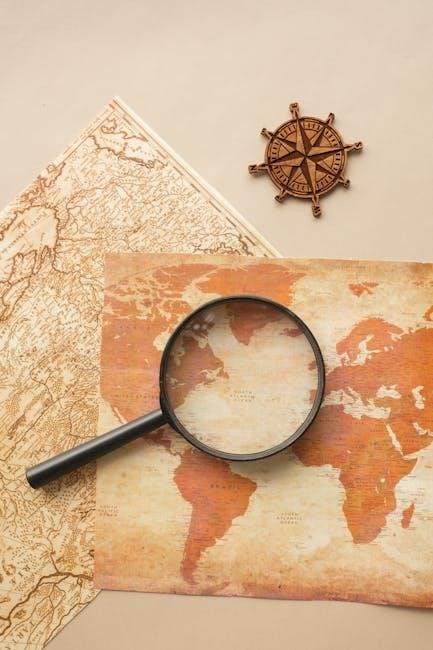
Topographic maps represent three-dimensional terrain on a two-dimensional surface, crucial for advanced map reading practice within printable worksheets․ These maps utilize contour lines – lines connecting points of equal elevation – to depict the shape and slope of the land․ Worksheet exercises focus on interpreting these lines to visualize hills, valleys, and ridges․
Students learn to determine elevation changes, identify steep slopes, and understand the relationship between contour line spacing and terrain․ Advanced worksheets challenge students to create profile views from topographic maps or predict water flow patterns․ Mastering topographic map skills is essential for fields like hiking, engineering, and environmental science․
Contour Lines Explained
Contour lines on topographic maps are the cornerstone of understanding terrain representation, and worksheets effectively illustrate their function․ These lines connect points of equal elevation above a defined datum, like sea level․ Closely spaced contour lines indicate steep slopes, while widely spaced lines signify gentle slopes․ Worksheets often present exercises where students must determine elevation differences between lines․
The contour interval – the vertical distance between adjacent lines – is crucial information provided on the map․ Students practice identifying peaks, valleys, and saddles by analyzing contour line patterns․ Understanding index contours – bolder lines appearing at regular intervals – aids in quick elevation determination․ Worksheet activities reinforce these concepts through labeling and interpretation tasks․
Identifying Landforms on Topographic Maps
Topographic map worksheets excel at teaching landform recognition using contour lines and map symbols․ Students learn to identify hills, mountains, valleys, plateaus, and ridges by interpreting the patterns created by contour lines․ Closed contour lines often indicate hills or mountains, with the innermost line representing the peak․ V-shaped contour lines point uphill, indicating valleys or stream channels․
Worksheets present scenarios requiring students to differentiate between various landforms based on contour spacing and shape․ Depressions are shown with hachure marks on contour lines․ Exercises include labeling landforms directly on map excerpts and answering questions about elevation changes․ These skills are vital for understanding geographical features and planning routes․
Latitude and Longitude Practice
Printable worksheets focusing on latitude and longitude are crucial for developing global positioning skills․ These exercises typically involve identifying coordinates of specific locations on world maps, or conversely, locating points given their latitude and longitude․ Worksheets often present a grid system overlaid on a map, requiring students to read values accurately․
Practice includes determining the coordinates of cities, landmarks, or geographical features․ More advanced worksheets may ask students to calculate distances between points using latitude and longitude differences․ Understanding these concepts is fundamental for navigation, map reading, and comprehending global relationships․ Interactive worksheets can also incorporate real-world applications, like pinpointing locations for treasure hunts․
Using a Compass Rose
Worksheets dedicated to compass rose practice are essential for building directional understanding․ These resources typically feature compass roses with clearly marked cardinal directions (North, South, East, West) and intermediate directions (Northeast, Southeast, Northwest, Southwest)․ Students learn to identify these directions accurately and apply them to map reading․
Exercises often involve determining the direction from one point to another on a map, or following a set of directional instructions․ More complex worksheets may require students to draw routes on a map using a compass rose as a guide․ Understanding the compass rose is fundamental for orientation, navigation, and interpreting map symbols related to direction․ Effective worksheets incorporate real-world scenarios, like giving directions to a location․
Grid Systems and Coordinates
Worksheets focusing on grid systems and coordinates introduce students to a method of pinpointing locations on a map using alphanumeric references․ These typically present a map overlaid with a grid, labeled with letters along one axis and numbers along the other․ Students practice identifying the coordinates of specific locations and, conversely, locating points given their coordinates․
Exercises range from simple coordinate identification to more complex tasks like plotting routes or calculating distances using the grid․ Advanced worksheets may incorporate multiple grids or require students to create their own․ Mastering grid systems builds spatial reasoning skills and is crucial for understanding geographic data․ Effective resources connect this skill to real-world applications like GPS navigation․
Resources for Finding Printable Worksheets
Numerous online platforms offer printable map skills worksheets, catering to diverse educational needs․ For free resources, websites like K12Worksheets, Education․com, and TeachersPayTeachers (filtering for free items) provide a wide selection․ These often include basic exercises on cardinal directions, map symbols, and simple coordinate practice․
Paid resources, such as those found on Evan-Moor or Scholastic, generally offer more comprehensive and differentiated worksheets, including answer keys and detailed lesson plans․ These premium options often align with specific curriculum standards․ TeachersPayTeachers also hosts a wealth of paid materials created by educators․ Careful consideration of the worksheet’s alignment with learning objectives is key when selecting resources․
Free Worksheet Websites
Several websites provide free, printable map skills worksheets, making geography education accessible․ K12Worksheets․com offers a variety of options, from identifying continents to reading map scales, suitable for elementary and middle school students․ Education․com boasts a large collection, categorized by grade level and skill, including interactive quizzes alongside printable sheets․
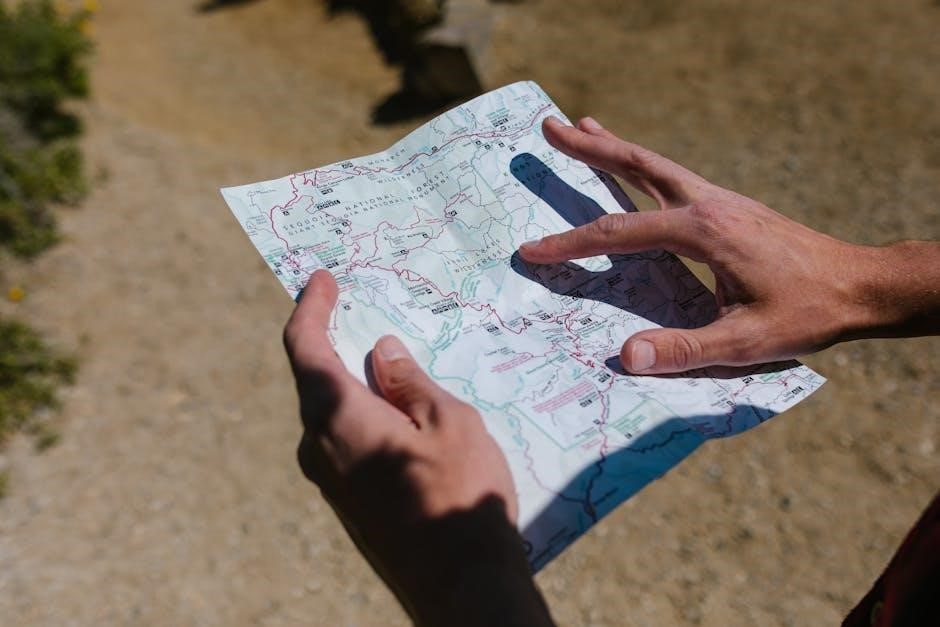
TeachersPayTeachers, while hosting paid content, also features numerous free map skills resources uploaded by educators․ SuperTeacherWorksheets provides worksheets focusing on directions, legends, and grid coordinates․ These sites generally require minimal or no registration, offering instant access to downloadable materials․ Remember to preview the worksheets to ensure they align with your specific curriculum goals and student needs․
Paid Worksheet Resources
While numerous free options exist, paid worksheet resources often offer greater depth, variety, and professionally designed materials․ TeachersPayTeachers remains a strong contender, with sellers providing comprehensive map skills units, often including answer keys and differentiated instruction options․ Evan-Moor Publishing offers workbooks specifically focused on geography and map skills, suitable for classroom or homeschool use․
Superstar Worksheets provides bundled sets covering various map reading concepts, targeting different grade levels․ These resources typically involve a one-time purchase, granting access to printable worksheets for repeated use․ Investing in paid resources can save educators valuable time in lesson planning and material creation, ensuring high-quality, aligned content․
Worksheet Difficulty Levels (Elementary, Middle, High School)
Printable map skills worksheets cater to diverse learning levels․ Elementary worksheets (grades 3-5) focus on basic cardinal directions, map symbols, and simple legend reading, often using colorful illustrations and straightforward instructions․ Middle school resources (grades 6-8) introduce scale, distance measurement, latitude/longitude, and more complex map types like physical and political maps․
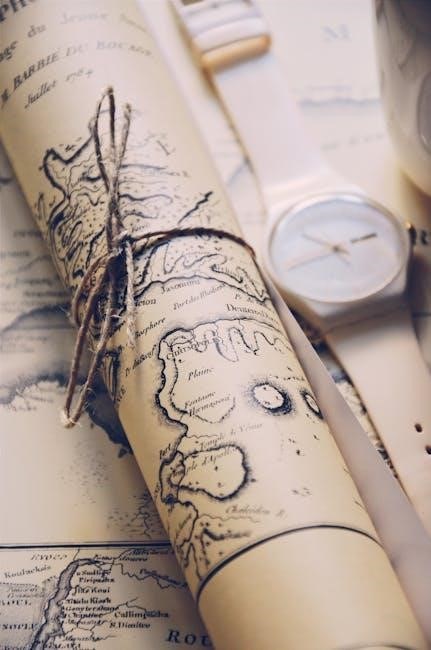
High school worksheets (grades 9-12) delve into topographic maps, contour lines, grid systems, and historical map analysis, demanding critical thinking and problem-solving skills․ Differentiation is key; providing varied worksheets within a grade level allows students to progress at their own pace․ Worksheet complexity should align with curriculum standards and student abilities․

Integrating Worksheets into Lesson Plans
Printable map skills worksheets seamlessly integrate into various lesson plans․ Use them as introductory activities to gauge prior knowledge, or as reinforcement exercises after direct instruction․ Worksheets can support geography units, history lessons (like analyzing maps related to the Ontario Temperance Act era), or even science classes studying landforms․
Consider incorporating worksheets into learning stations, group work, or individual assessments․ Extend learning by having students create their own maps or analyze real-world maps using the skills practiced․ Worksheets aren’t isolated tasks; they’re tools to build a comprehensive understanding of spatial reasoning and geographical literacy․
Map Skills and Real-World Applications
Proficiency in map skills extends far beyond the classroom, impacting daily life․ Navigating with GPS, understanding travel routes, and interpreting news maps all rely on these foundational abilities․ Historical analysis, such as examining maps related to the Ontario Temperance Act and its impact on alcohol distribution, requires spatial understanding․
Even seemingly unrelated fields, like urban planning or environmental science, depend on map reading and interpretation․ Worksheets build the critical thinking skills needed to analyze spatial data and make informed decisions․ Understanding latitude and longitude is crucial for global awareness and appreciating geographical relationships․
The Ontario Temperance Act & Historical Maps (Contextual Link)
The Ontario Temperance Act of 1916, leading to prohibition, offers a compelling historical context for map skills․ Maps illustrating pre-prohibition alcohol distribution networks, or areas supporting/opposing the Act, demonstrate spatial analysis․ Analyzing plebiscite results from 1919 and 1921 on maps reveals regional attitudes towards temperance․
Worksheets could task students with identifying “dry” and “wet” areas on a map of Ontario, fostering critical thinking․ Historical maps showcase how laws impact geographical patterns․ Understanding the Act’s enforcement challenges—smuggling routes—requires map interpretation skills․ This link demonstrates how map skills aren’t just about geography, but also understanding societal changes․
Using Map Skills for Historical Analysis
Map skills are crucial for interpreting historical events, extending beyond simple location identification․ Worksheets can present historical maps – colonial trade routes, battlefields, or migration patterns – requiring students to analyze spatial relationships․ Students can trace the spread of ideas or conflicts using maps, understanding geographical influences on history․
Analyzing the Ontario Temperance Act’s impact necessitates mapping prohibition support and alcohol smuggling routes․ Worksheets could ask students to infer motivations behind geographical patterns․ Historical maps reveal changing borders, population distributions, and resource availability․ Developing these skills fosters a deeper understanding of cause and effect in historical contexts, moving beyond rote memorization․
Accessibility Considerations for Printable Worksheets
Designing inclusive printable map skills worksheets requires careful consideration for diverse learners․ Ensure sufficient color contrast for visually impaired students, avoiding reliance solely on color-coding for map symbols․ Provide alternative text descriptions for all images and map elements for screen readers․ Offer worksheets in adaptable formats, allowing for font size adjustments and text-to-speech compatibility․
Consider students with dyslexia by using clear, sans-serif fonts and ample white space; Include tactile map options or instructions for creating raised-line maps for students with visual impairments․ Worksheets should be logically structured and avoid overly complex layouts․ Prioritizing accessibility ensures all students can engage with and benefit from map skills practice․
Tips for Effective Worksheet Use
Maximize learning with printable map skills worksheets by starting with simpler exercises and gradually increasing complexity․ Encourage students to actively annotate maps, labeling features and tracing routes․ Promote collaborative work, having students quiz each other or work together to solve map-related challenges․ Connect worksheet activities to real-world scenarios, like planning a trip or interpreting news maps․
Review answers thoroughly, discussing common errors and reinforcing key concepts․ Supplement worksheets with hands-on activities, such as building 3D maps or using compasses outdoors․ Provide constructive feedback, focusing on understanding rather than just correct answers․ Regular practice and varied approaches will solidify map skills mastery․
Troubleshooting Common Issues with Worksheets
Address student difficulties with scale by using rulers and providing relatable distance examples․ Clarify symbol confusion with a dedicated legend review and visual aids․ Assist with coordinate challenges by breaking down grid systems and offering step-by-step guidance․ Ensure clear printing quality; blurry maps hinder accurate interpretation․
If students struggle with topographic maps, focus on contour line basics and landform identification․ Remediate directional errors with compass rose practice and real-world orientation exercises․ Adapt worksheets for diverse learners, offering modified versions or extra support․ Encourage students to ask questions and seek help when needed, fostering a supportive learning environment․
The Importance of Map Skills
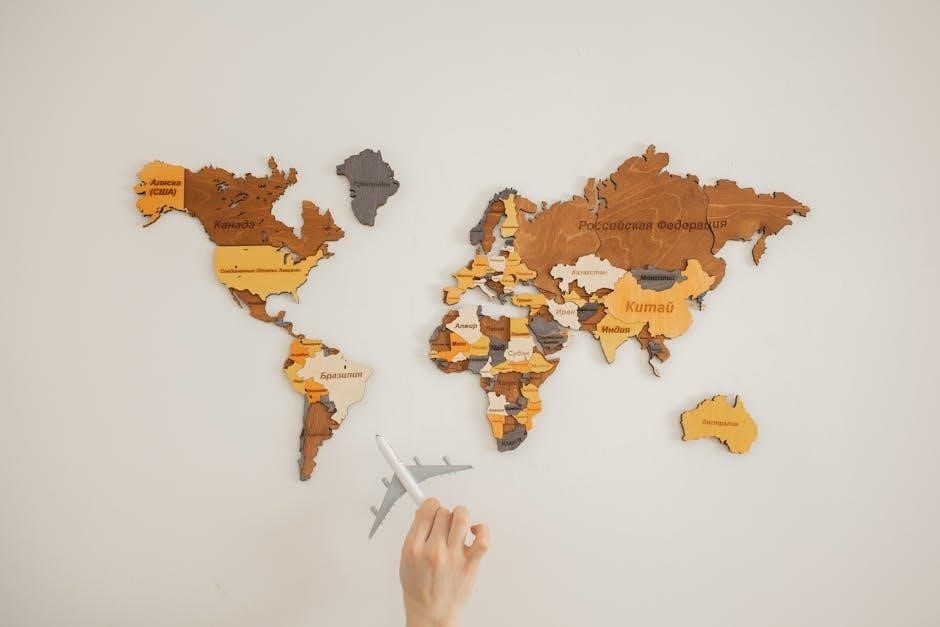
Mastering map skills, reinforced through printable worksheets, is crucial for navigating our world and understanding spatial relationships․ These skills extend beyond geography, enhancing problem-solving, critical thinking, and analytical abilities․ Historical analysis benefits immensely from interpreting past maps, like those related to the Ontario Temperance Act, revealing societal contexts․
Worksheets provide accessible practice, catering to various learning levels and integrating seamlessly into lesson plans․ By utilizing diverse map types – political, physical, topographic – students develop a comprehensive understanding․ Ultimately, map skills empower informed decision-making, fostering a deeper connection to our planet and its history, proving their enduring relevance․