dogsex guide
Dog Reproduction: A Comprehensive Guide
Domestic dogs, descended from gray wolves around 15,000 years ago, exhibit diverse breeding behaviors. Mating can last up to 45 minutes, involving courtship rituals like sniffing and licking, driven by instinct and evolution.
Understanding Canine Anatomy & Physiology
Canine reproductive anatomy differs significantly between males and females, influencing mating behaviors and breeding success. The male dog possesses a baculum, or penis bone, providing support during copulation, a feature absent in many other mammals. This bone contributes to the prolonged tie observed after mating.
Female canine anatomy features a bicornuate uterus, meaning it has two horns, capable of supporting multiple developing fetuses. The vulva exhibits swelling during estrus, signaling receptivity to males. Understanding the estrous cycle is crucial for timing breeding attempts effectively.
Physiologically, hormonal fluctuations drive reproductive behaviors. Testosterone governs male libido and sperm production, while estrogen and progesterone orchestrate the female’s cycle. Selective breeding over millennia has resulted in considerable variation in size and physical characteristics, impacting breeding logistics. The domestic dog, Canis lupus familiaris, showcases extreme diversity due to domestication and selective breeding practices. Successful reproduction relies on a thorough grasp of these anatomical and physiological foundations.

The Canine Estrous Cycle (Heat)
The canine estrous cycle, commonly known as “heat,” is a recurring physiological process preparing the female dog for potential pregnancy. Unlike predictable cycles in some species, canine heat is less regular, varying in length and frequency. Typically, it occurs approximately every six to eight months, though this can differ based on breed and individual factors.
The cycle is divided into four stages: proestrus, estrus, diestrus, and anestrus. Proestrus involves vulvar swelling and attracting males, but the female isn’t yet receptive. Estrus marks the period of receptivity, where she’ll accept mating. Diestrus follows, regardless of pregnancy, lasting about two months. Anestrus is the period of reproductive inactivity.
Hormonal changes drive these stages. Estrogen peaks during proestrus and estrus, while progesterone rises during diestrus. Recognizing the signs of each stage – vulvar discharge, behavioral changes like increased urination, and tail-tucking – is vital for successful breeding management. Careful observation is key, as timing is crucial for optimal fertilization.
Recognizing Signs of Estrus in Female Dogs
Identifying estrus, or “heat,” in a female dog is crucial for successful breeding. Early signs include vulvar swelling, often noticeable around day three to ten. A bloody vaginal discharge typically appears, though the amount varies between individuals – some have minimal bleeding, while others have a more substantial flow.
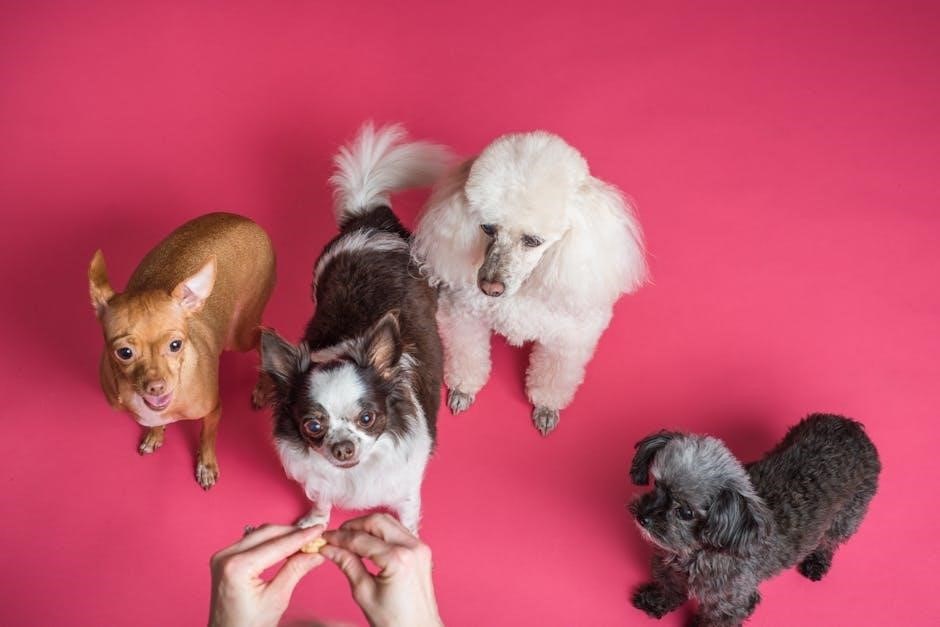
Behavioral changes are also prominent indicators. The female may exhibit increased urination, marking territory, and a flirtatious tail-wagging posture when approached by males. She might also become more restless or anxious. Excessive licking of the genital area is a common preparatory behavior linked to her sexual drive.
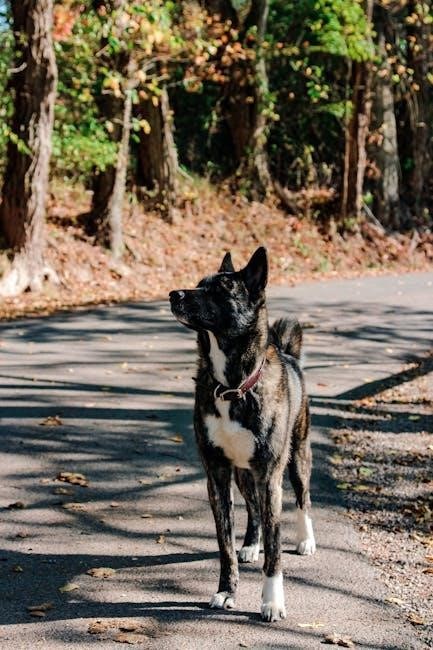
Receptivity testing can confirm estrus. Gently applying pressure to her back near the base of the tail should elicit a positive response – a willingness to stand still or flag her tail to the side. Observing her interaction with intact male dogs is also telling; a receptive female will actively encourage mating attempts. Accurate identification of these signs ensures optimal breeding timing.
Male Dog Sexual Maturity & Behavior
Sexual maturity in male dogs typically occurs between six and twelve months of age, though this varies significantly by breed. The primary hormonal change is a surge in testosterone, leading to noticeable behavioral shifts. A key indicator is an increased interest in female dogs, particularly those in estrus.
Behaviorally, intact males may begin “checking” females – sniffing their vulva – even if she isn’t in heat. They may also exhibit mounting behavior on other dogs, toys, or even inanimate objects. This isn’t necessarily a prelude to mating but a demonstration of their developing sexual drive and dominance.
Marking territory with urine becomes more frequent and pronounced as a way to advertise their presence and attract potential mates. Restlessness and a tendency to roam are also common, driven by the instinct to seek out females. Once a male detects a female in heat, he becomes intensely focused and sexually excited, potentially leading to a prolonged mating attempt lasting up to 45 minutes;
Courtship Rituals in Dogs

Canine courtship is a complex interplay of behavioral signals, far more nuanced than simply a male pursuing a female. It begins with initial investigation, involving extensive sniffing – particularly around the genital area – to assess the female’s reproductive status. This olfactory assessment is crucial, as scent provides key information about her stage in the estrous cycle.
Licking is another significant component, often focused on the female’s vulva. This behavior isn’t merely grooming; it’s thought to stimulate the female and further confirm her receptivity. The male may also exhibit circling behaviors and gentle nudging, attempting to gain her attention and cooperation.
The female’s response is critical. If receptive, she’ll often flag her tail to the side, presenting herself to the male. If she’s not ready, she may turn away, growl, or even snap. This intricate dance of signals ensures that mating occurs only when the female is physiologically prepared, maximizing the chances of successful fertilization. The entire process is a “symphony of biological signals,” driven by instinctual drives.
The Mating Process: Step-by-Step
The canine mating process isn’t a quick event; it unfolds in distinct stages. Initially, the male will mount the female, often after a period of courtship involving sniffing and licking. He’ll typically position himself standing, while the female may stand or crouch.
Penetration is usually swift, and once achieved, the male will often thrust several times. This initial phase is followed by a crucial turning maneuver. The male dismounts, then circles and mounts the female again, but this time facing away from her. This positioning is essential for the subsequent “tie.”
The tie occurs when the bulbus glandis at the base of the male’s penis swells inside the female’s vagina, creating a physical lock. This can last anywhere from 5 to 45 minutes, though averages around 20-30. During the tie, attempts to separate the dogs can cause serious injury. It’s a natural part of the process, facilitating sperm transfer. Following the tie, the dogs will gradually separate, completing the mating act.
The Tie: Understanding the Canine Copulatory Lock
The “tie,” or copulatory lock, is a unique and often concerning aspect of dog mating. It’s a physiological phenomenon, not a sign of injury or a problem requiring immediate intervention. This lock occurs due to the anatomy of the male dog’s penis.
Specifically, the bulbus glandis, a structure at the base of the penis, swells significantly once inside the female’s vagina. Simultaneously, the muscles in the female’s vaginal walls contract. This combination creates a firm physical connection, effectively “locking” the dogs together.
The purpose of the tie is believed to ensure successful sperm transfer. It keeps the male’s penis firmly in place, maximizing the chances of fertilization. Attempting to forcibly separate dogs during a tie can cause severe pain and tissue damage to both animals. The tie typically lasts between 5 and 45 minutes, with an average duration of around 20-30 minutes. It’s crucial to allow the process to complete naturally, ensuring the dogs are in a safe and comfortable environment.
Factors Affecting Successful Mating
Several factors influence the success of dog mating, extending beyond simply bringing a male and female into heat together. Timing is paramount; accurate identification of the female’s fertile period – typically around days 9-14 of her estrous cycle – significantly increases conception rates.
The dogs’ overall health and physical condition play a crucial role. Underweight or overweight dogs, or those with underlying health issues, may experience reduced fertility. Temperament and compatibility also matter; a reluctant female or an inexperienced male can hinder the process.
Environmental factors are also important. A calm, quiet, and private setting minimizes stress and allows the dogs to focus on mating. Prior experience can be beneficial, particularly for younger dogs. Breed-specific considerations exist, as some breeds have unique reproductive challenges. Finally, the male’s sperm count and motility, and the female’s ability to ovulate, are fundamental biological factors determining success. Careful observation and veterinary guidance can optimize these conditions.
Artificial Insemination in Dogs
Artificial insemination (AI) offers a valuable alternative to natural mating for dogs, particularly when geographical distance, physical incompatibility, or health concerns prevent traditional breeding. This technique involves collecting semen from the male and depositing it directly into the female’s reproductive tract.
Several methods exist, including vaginal AI, transcervical AI (passing a catheter through the cervix), and surgical AI. Vaginal AI is the most common, mimicking natural copulation. Semen can be used fresh, chilled, or frozen, with frozen semen requiring specialized thawing and handling procedures.
AI is often employed when a male has difficulty with natural mating, or if there’s a risk of transmitting sexually transmitted diseases. It also allows breeders to utilize genetics from males located far away. Careful timing, based on the female’s estrous cycle, is crucial for success. Veterinary expertise is essential for proper semen collection, evaluation, and insemination technique, maximizing the chances of fertilization and a healthy pregnancy.
Pregnancy Confirmation & Gestation

Confirming pregnancy in dogs typically occurs around 21-28 days post-breeding. Several methods are available, including palpation by a veterinarian (after 28 days), ultrasound (from 25 days), and relaxin hormone testing (after 25 days); Relaxin is a hormone produced only during pregnancy, offering a reliable early indicator.
Gestation in dogs lasts approximately 63 days, calculated from the date of ovulation, not necessarily the breeding date. During this period, the developing puppies undergo significant growth and development. Nutritional needs increase dramatically, requiring a high-quality puppy food formulated for pregnant and lactating females.
Veterinary check-ups are vital throughout gestation to monitor the mother’s health and puppy development. Signs of pregnancy include decreased activity, increased appetite, and mammary gland enlargement. Preparing a whelping box and understanding the stages of labor are crucial for a safe and successful delivery; Careful observation is key to identifying any potential complications during pregnancy and labor.
Common Breeding Problems & Complications
Dystocia, or difficult labor, is a significant complication in canine reproduction, often requiring veterinary intervention, potentially including a Cesarean section. This can arise from fetal malposition, oversized puppies, or uterine inertia – a failure of the uterus to contract effectively.
Tie failure, where the male cannot dismount after copulation, though usually resolving naturally, can sometimes necessitate veterinary assistance. Early embryonic death or resorption can occur, leading to a silent return to estrus. Metritis, a uterine infection, is a serious post-partum complication requiring prompt antibiotic treatment.
Eclampsia, or hypocalcemia (low calcium levels), is a life-threatening emergency, particularly in heavily lactating females. Symptoms include restlessness, muscle tremors, and seizures. Mastitis, inflammation of the mammary glands, can occur and requires veterinary care. Responsible breeders prioritize the health of both the mother and puppies, seeking immediate veterinary attention for any concerning signs or complications during breeding and gestation.

Genetic Considerations in Dog Breeding
Responsible dog breeding necessitates a thorough understanding of genetic principles to minimize the risk of inherited diseases. Selective breeding, while shaping breed characteristics over millennia, can inadvertently concentrate detrimental genes. Hip dysplasia, progressive retinal atrophy (PRA), and certain bleeding disorders are examples of conditions with a strong genetic component.
Breeders should utilize genetic testing to screen potential breeding pairs for known mutations, avoiding pairings that could produce affected offspring. Maintaining genetic diversity within a breed is crucial to prevent inbreeding depression, which reduces vigor and increases susceptibility to disease. Coefficient of inbreeding (Finbreeding) calculations help assess the level of relatedness within a pedigree.
Careful record-keeping of lineage and health information is paramount. Ethical breeders prioritize health and temperament over conformation, making informed decisions to improve the overall genetic health of the breed, contributing to healthier and happier dogs for generations to come.
Responsible Dog Breeding Practices
Ethical dog breeding extends far beyond simply mating a male and female. It’s a commitment to the health, welfare, and future of the breed. Breeders have a moral obligation to produce puppies that are physically sound, temperamentally stable, and free from preventable genetic diseases. This begins with careful selection of breeding stock, prioritizing health testing and temperament evaluation.
Providing optimal care for the pregnant female, including proper nutrition and veterinary check-ups, is essential. Post-whelping care, encompassing neonatal monitoring and early socialization, is equally vital. Responsible breeders are knowledgeable about potential complications during pregnancy and birth, prepared to seek veterinary intervention when necessary.
Furthermore, they meticulously screen potential puppy buyers, ensuring they can provide a loving and responsible home. Lifetime support and a willingness to take back a dog if the owner can no longer care for it demonstrate a true commitment to the animals’ well-being. Supporting dog rescue organizations is also a hallmark of responsible breeding.
Dog Breeds and Their Reproductive Characteristics
Canine reproductive physiology exhibits considerable variation across breeds. Smaller breeds generally reach sexual maturity earlier and have shorter gestation periods compared to larger breeds. Giant breeds may experience delayed puberty and a higher incidence of dystocia (difficult birth) due to the size of the puppies.
Breed-specific predispositions to certain reproductive issues are also common. For instance, brachycephalic (short-nosed) breeds like Bulldogs often require Cesarean sections due to the puppies’ large heads and the mother’s narrow birth canal. Certain breeds are also prone to uterine inertia, necessitating veterinary intervention during labor.
Understanding these differences is crucial for breeders. Timing of mating, based on the female’s estrous cycle, must be carefully managed. Artificial insemination may be considered for breeds with difficulty mating naturally or when geographical distance is a factor. Knowledge of breed-specific reproductive challenges allows for proactive management and improved breeding outcomes.
Early Neonatal Care of Puppies
The first few weeks of a puppy’s life are critical for survival and development. Newborn puppies are entirely dependent on their mother for warmth, nutrition, and stimulation. Maintaining a clean and warm environment is paramount, as puppies cannot regulate their body temperature effectively.
Ensuring proper nursing is vital. Puppies should nurse frequently, receiving colostrum – the first milk – which provides essential antibodies. Monitoring weight gain daily is crucial to assess adequate milk intake. Supplemental feeding may be necessary if the mother cannot produce enough milk or if a puppy is weak.
Stimulation for elimination is also the mother’s responsibility initially. Gently massaging the puppy’s perineal area encourages urination and defecation. Regular handling helps socialize the puppies and allows for early detection of any health problems. Responsible breeders prioritize attentive care during this vulnerable period, setting the foundation for healthy, well-adjusted dogs.
Behavioral Changes Related to Canine Sexual Behavior

Canine sexual behavior manifests in distinct ways for males and females, driven by hormonal fluctuations. Female dogs in heat (estrus) often exhibit restlessness, increased urination, and a swollen vulva. They may also become more affectionate or, conversely, display avoidance behaviors. Excessive licking of the genital area is a common sign of preparation for mating.
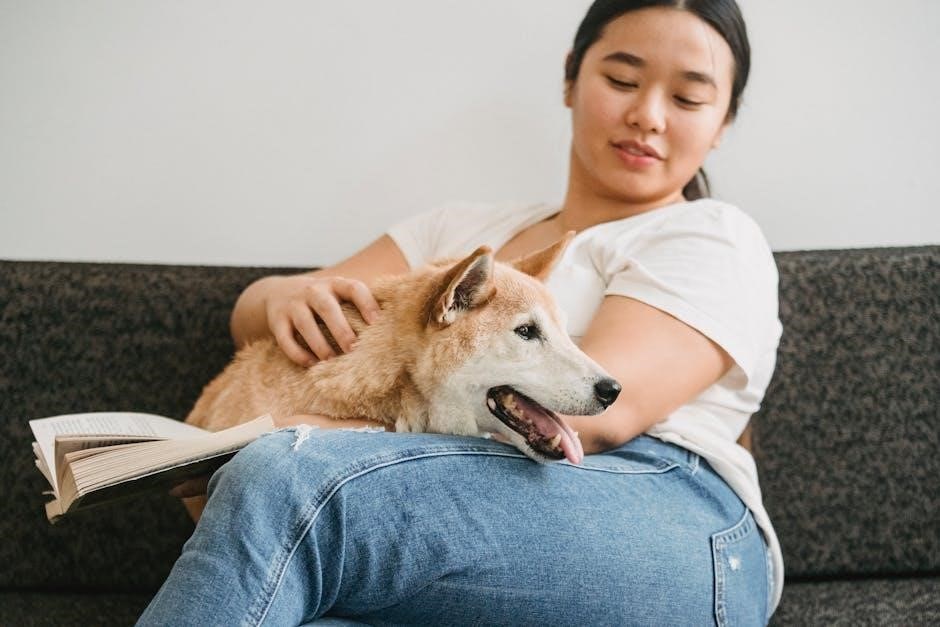
Male dogs, upon detecting a female in estrus, demonstrate heightened sexual drive. This includes persistent following, whining, and attempts to mount. They may become less responsive to commands and exhibit increased anxiety if prevented from reaching the female. Marking territory with urine also intensifies, signaling sexual maturity and availability.
These behavioral shifts are instinctual and can be intense. Understanding these changes is crucial for responsible pet ownership, ensuring the safety and well-being of both dogs during the breeding season. Supervision and management are essential to prevent unwanted pregnancies and behavioral issues.
Rescue and Adoption: Addressing Unplanned Litters
Unplanned litters contribute significantly to the population of dogs in shelters and rescues, placing a strain on resources and increasing the risk of euthanasia. Responsible pet ownership includes preventing unwanted pregnancies through spaying and neutering, but when accidents happen, proactive solutions are vital.
Dog rescues play a critical role in alleviating the suffering of dogs from unplanned litters. These organizations provide temporary foster homes, medical care (including vaccinations and deworming), and ultimately, seek permanent, loving families through adoption; The process often involves thorough screening of potential adopters to ensure a good match.
Adopting a dog from a rescue not only provides a deserving animal with a home but also frees up space and resources for the rescue to help others. Supporting these organizations through donations, volunteering, or fostering is crucial in addressing the ongoing issue of pet overpopulation. Choosing adoption is a compassionate and responsible choice.