how to print a pdf sewing pattern
PDF sewing patterns offer a convenient and accessible way to start your next project, delivering modern styles directly to your computer․
Wardrobe By Me provides patterns with clear instructions and sew-along videos, aiding both beginners and experienced sewists․
Downloading, printing, and assembling these patterns unlocks a world of creative possibilities for unique, wearable garments․
What are PDF Sewing Patterns?
PDF sewing patterns represent a digital revolution in the world of garment construction, offering a flexible alternative to traditional paper patterns․ These patterns are distributed as digital files, typically in PDF format, and are designed to be downloaded and printed at home or at a professional print shop․
Unlike pre-printed patterns, PDF patterns require the user to print the pattern pieces themselves․ This allows for scalability – you can print the pattern at actual size or adjust the scale to fit your specific measurements․ Colette Patterns are readily available as instant downloadable PDFs․
The files often contain multiple pages that need to be assembled after printing, creating the complete pattern layout․ They are a popular choice due to their convenience and accessibility, allowing sewists to instantly access a vast library of designs․
Why Choose PDF Patterns?
PDF sewing patterns offer numerous advantages for the modern sewist․ Their instant download availability eliminates shipping costs and waiting times, allowing you to begin your project immediately․ This speed is a significant benefit, as things move quickly in the sewing world․
Furthermore, PDF patterns provide a wider selection of designs compared to what’s typically available in local fabric stores․ Wardrobe By Me patterns are meticulously designed for stylish, wearable garments․ They are also cost-effective, often priced lower than traditional paper patterns․
The digital format allows for easy storage and organization, and the ability to reprint patterns as needed․ Many designers, like Sew Liberated, deliver zipped files for convenient download and management․
Preparing to Print Your PDF Sewing Pattern
Successful printing requires the right software and understanding file types like ZIP and PDF․ Checking pattern layouts and layers before printing ensures accuracy and a smooth process․
Software Requirements for Printing
Adobe Acrobat Reader is generally the recommended software for opening and printing PDF sewing patterns, as it reliably handles the file format’s complexities․ While many devices have built-in PDF viewers, these often lack the necessary precision for accurate pattern printing․
Ensure your Adobe Acrobat Reader is up-to-date to access the latest features and bug fixes․ Some patterns, delivered as ZIP files, require a program like WinZip or 7-Zip to extract the PDF files before printing․ Avoid attempting downloads directly to tablets or phones, as these operating systems can struggle with large pattern files․
Furthermore, familiarity with your printer’s settings and the ability to manually adjust margins are crucial․ Occasionally, tinkering with print settings is necessary, which is easier to accomplish on a computer rather than an iPad․
Understanding Pattern File Types (ZIP, PDF)
PDF (Portable Document Format) is the standard for downloadable sewing patterns, ensuring consistent appearance across different devices․ However, some designers distribute patterns as ZIP files; A ZIP file is essentially a compressed folder containing one or more files – typically the PDF pattern itself, and potentially instructions or additional resources․
To access the PDF within a ZIP file, you’ll need a file extraction program like WinZip or 7-Zip․ These programs “unzip” the contents, allowing you to open the PDF․ It’s important to note that tablets and phones often have limited support for ZIP file extraction, making a computer preferable for this step․
Once extracted, the PDF file is ready for printing, but understanding its layout and layers (discussed elsewhere) is key to a successful outcome․
Checking Pattern Layout and Layers
Before printing, carefully examine the PDF pattern file․ Many patterns include a test square – a precisely measured square to verify your printer’s scale accuracy․ This is crucial for garment fit․ Also, check for multiple pattern sizes within a single file; ensure you’re printing the correct size layer․
Some PDFs feature layers, allowing you to selectively print only the sizes you need, reducing ink and paper waste․ This functionality requires a PDF viewer capable of displaying layers․ Familiarize yourself with the pattern’s key, which explains symbols and markings used throughout the design․
Understanding the layout prevents wasted resources and ensures a correctly sized, usable pattern․
Printing Options: Home vs․ Print Shop
PDF sewing patterns can be printed at home or professionally at a print shop, offering flexibility based on your equipment and preference․
Sending A0 files to a local sewing print shop avoids home printing challenges․
Consider cost, convenience, and pattern size when deciding․
Printing at Home: Considerations
Printing PDF sewing patterns at home requires careful consideration of several factors to ensure accuracy and a smooth process․ Downloading patterns to a computer, rather than a tablet or phone, is crucial due to file size limitations․ Be prepared to potentially extract files from ZIP folders, a common delivery method for patterns like those from Sew Liberated․
Many users find adjusting printer settings, particularly margins, is necessary; manually setting margins to zero can resolve printing issues․ Calibrating your printer and utilizing test squares are vital steps to verify scale accuracy before committing to the full pattern print․ Tiled printing is often required for larger patterns, demanding precise alignment during assembly․ Some sewists, facing persistent difficulties, opt to avoid home printing altogether․
Choosing the Right Paper for Sewing Patterns
Selecting the appropriate paper is essential when printing PDF sewing patterns for durability and ease of use․ Quality paper, as noted by customer experiences, significantly impacts the final product, arriving rolled to prevent creases․ Standard printer paper works, but heavier weight options, like 20-24lb paper, are preferable for repeated use and handling․
Consider the pattern’s complexity and your intended frequency of use․ For patterns you’ll trace and reuse, heavier paper or cardstock provides greater longevity․ If printing directly onto the pattern for single use, standard weight is sufficient․ Avoid flimsy paper that tears easily during cutting․ The goal is a pattern piece that withstands handling and maintains accurate dimensions․
Sending Files to a Print Shop: A0 Size
For large-format printing, many sewists prefer utilizing a local print shop, especially for A0-sized pattern files․ This avoids the challenges of home printing, like tiled layouts and printer calibration; Ensure the print shop accepts PDF files and understands the A0 format – a standard size for sewing patterns․
Confirm their pricing per page and turnaround time․ Some shops may require files to be submitted digitally, while others accept files on a USB drive․ Clearly communicate your need for accurate scaling; a test print is highly recommended․ As one user stated, refusing home printing and opting for a print shop nearby is a viable solution․

Home Printing: Step-by-Step Guide
Successful home printing requires calibration, adjusting scale and margins to zero, and printing test squares to verify accuracy before committing to the full pattern;
Calibrating Your Printer
Accurate printing is crucial for a well-fitting garment, and printer calibration is the first step․ Begin by printing the test square included in your PDF pattern file․
Carefully measure the printed square and compare it to the dimensions stated on the pattern․ If there’s a discrepancy, adjust your printer settings․ Many printers have a scaling option; experiment with slightly increasing or decreasing the scale percentage until the test square prints correctly․
Remember, some operating systems or PDF viewers might automatically scale the document, overriding your printer settings․ Manually disabling scaling within your PDF viewer is often necessary․ This ensures the pattern prints at 100%, maintaining its intended size and accuracy for sewing․
Adjusting Print Settings: Scale and Margins
Precise print settings are vital for accurate pattern pieces․ Within your printer dialogue box, locate the scaling option and ensure it’s set to “100%” or “Actual Size”․ Avoid options like “Fit to Page,” as this will alter the pattern’s dimensions․
Pay close attention to margins․ Some patterns require minimal or zero margins for proper tiling․ Try manually setting the margins to zero if you encounter issues with pattern pieces not aligning correctly․
Different PDF viewers and printers interpret settings differently, so experimentation is key․ If you’re struggling, attempt printing from various PDF readers to see if one yields better results․ Accurate scaling and margins guarantee a correctly sized pattern․
Printing Test Squares
Before committing to the full pattern, always print the included test square․ Most PDF patterns feature a one-inch or similar square for calibration․ After printing, carefully measure this square with a ruler․
If the square measures exactly one inch, your printer is calibrated correctly, and you can proceed with printing the entire pattern․ However, if there’s a discrepancy, adjust your printer’s scaling settings accordingly․
This simple step prevents costly errors and ensures your finished garment will be the correct size․ Accurate measurement of the test square is crucial for a successful sewing project․ Don’t skip this vital calibration step!
Dealing with Tiled Printing
Many PDF sewing patterns, particularly those designed for larger paper sizes like A0, require tiled printing․ This means the pattern is divided into multiple pages that you’ll print and then assemble․ Ensure your printer settings are configured for “actual size” or “100% scale” to avoid distortion․
Overlap is essential when tiling; most patterns include guidelines for slight overlap between pages․ Carefully align these guidelines during assembly․ Accurate tiling is critical for maintaining pattern integrity․
Take your time and double-check alignment before taping pieces together․ A precise assembly ensures your garment fits as intended, avoiding frustrating adjustments later․
Assembling Your Printed Pattern
Printed pattern pieces require careful alignment and taping together, utilizing overlap guidelines for accuracy․ This crucial step prepares the pattern for cutting and sewing your garment․
Matching Pattern Pieces
Successfully assembling a PDF sewing pattern hinges on accurately matching the printed pieces․ After printing and cutting out each tile, carefully lay them out on a flat surface․ Look for registration marks – small targets or symbols – designed to align corresponding sections․
These marks ensure a seamless connection between pattern pieces, preventing gaps or misalignments that could affect the final garment’s fit․ Pay close attention to the pattern lines; they should flow continuously across joined sections․
Take your time during this stage, as precise matching is fundamental for an accurate pattern․ Slight discrepancies can accumulate, impacting the overall outcome․ Double-check alignment before taping, ensuring a smooth transition between each piece․
Taping Pattern Pieces Together
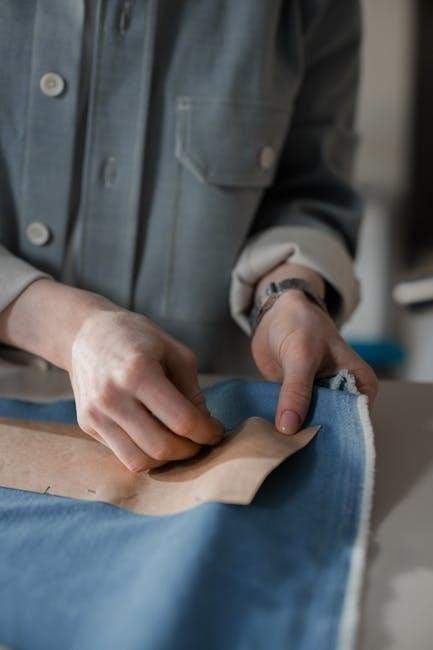
Once pattern pieces are accurately matched using registration marks, secure them with tape․ Utilize a low-tack tape – such as painter’s tape or washi tape – to avoid damaging the paper․ Apply tape along the entire length of the joined edges, both on the front and back of the pattern․
Ensure the tape lies flat, smoothing out any bubbles or wrinkles that could distort the pattern lines․ Overlap the tape slightly onto each piece for a strong, reliable bond․ Avoid using strong adhesives, as they may tear the paper during use․
A well-taped pattern is crucial for accurate cutting and tracing, contributing to a professionally finished garment․
Cutting Out the Pattern Pieces
With the assembled pattern laid flat, carefully cut out each piece along the indicated cutting lines․ Employ sharp scissors or a rotary cutter and mat for precision․ Accuracy at this stage is paramount for a well-fitting garment․
Cut slowly and deliberately, following the lines as closely as possible․ Avoid rushing, as even small inaccuracies can accumulate․ Consider using a walking foot on your sewing machine when working with pattern pieces, especially for slippery fabrics․
Once cut, store the pattern pieces appropriately for future use, ensuring they remain flat and undamaged․
Troubleshooting Common Printing Issues
Printing errors can occur, like incorrect scaling or missing sections․ Manually adjusting margins to zero or utilizing a print shop for A0 files can resolve these․
Incorrect Scale
Maintaining accurate scale is crucial when printing PDF sewing patterns, as even slight discrepancies can drastically alter garment fit․ A common issue arises when printers don’t default to 100% scaling, resulting in patterns that are either too large or too small․
Before printing the entire pattern, always print a test square – a one-inch or similar sized square included in the PDF file․ Carefully measure this printed square; if it doesn’t measure precisely one inch, adjust your printer settings accordingly․
Look for options like “Actual Size,” “100%,” or disable “Fit to Page” within your print dialogue box․ Some users find success by manually setting margins to zero, ensuring the pattern prints without automatic adjustments․ Remember, consistent calibration is key for reliable results․
Missing Lines or Sections
Incomplete pattern prints, where lines or sections are missing, can be frustrating․ This often stems from printer driver issues or problems with the PDF file itself․ First, ensure your printer drivers are up-to-date, as outdated drivers can cause rendering errors․
Try opening the PDF in a different PDF reader (like Adobe Acrobat Reader, or a browser’s built-in viewer) to rule out software compatibility issues․ If printing tiled patterns, verify each tile prints correctly, as a problem with one tile can cause gaps․
Consider re-downloading the pattern file; a corrupted download could be the source of the problem․ If issues persist, contacting the pattern designer for assistance is recommended․
Paper Quality Issues
Selecting the right paper is crucial for successful PDF sewing pattern printing․ Standard printer paper is often too thin, making cutting and repeated use difficult․ Heavier weight paper, like 20-24lb bond, or even pattern tracing paper, provides better durability․
Ensure your printer can handle the chosen paper weight to avoid jams․ Poor paper quality can also lead to ink bleeding, resulting in blurry or inaccurate pattern lines․ When ordering prints from a print shop, inquire about their paper options and choose a suitable weight for sewing patterns․
Quality paper ensures your patterns remain accurate and withstand the wear and tear of pattern making․
Resources for PDF Sewing Patterns
Explore popular designers like Wardrobe By Me, Sew Liberated, and Colette Patterns for diverse styles․ Online communities and sew-along videos offer valuable support․
Popular Pattern Designers
Several designers excel in providing high-quality PDF sewing patterns, catering to various skill levels and style preferences․ Wardrobe By Me stands out with meticulously designed patterns for both men and women, emphasizing modern fits and offering helpful sew-along videos for visual guidance․
Sew Liberated is another excellent resource, often delivering patterns as compressed ZIP files, requiring extraction before printing․ Colette Patterns provides instant downloadable PDFs, simplifying the process for home printing․ These designers prioritize user-friendliness, offering patterns with clear instructions and full-color printing․
Exploring these options allows sewists to discover patterns that align with their creative vision and benefit from the support and resources offered by each designer․
Online Sewing Communities & Forums
Engaging with online sewing communities and forums provides invaluable support when navigating PDF pattern printing․ These platforms offer a space to troubleshoot common issues, like incorrect scaling or missing lines, with experienced sewists readily sharing advice․
Discussions often cover practical tips, such as manually adjusting print margins to zero or utilizing A0 files at local print shops․ Many users share their experiences with different pattern designers, like Sewaholic, and offer solutions for operating system compatibility when downloading large files․
These communities foster a collaborative learning environment, empowering sewists to overcome challenges and enhance their pattern printing skills․
Sew-Along Videos and Tutorials
Sew-along videos and tutorials are essential resources for demystifying the PDF sewing pattern printing process․ Wardrobe By Me, for example, offers step-by-step visual guidance, ensuring even beginners can achieve professional results․ These resources often demonstrate crucial steps like calibrating your printer and adjusting scale settings․
Tutorials frequently address common hurdles, such as dealing with tiled printing and accurately matching pattern pieces after assembly․ They can also illustrate how to properly download and extract files from ZIP archives, a common delivery method for patterns like those from Sew Liberated․
Visual learning simplifies complex tasks, boosting confidence and minimizing frustration․
Advanced Techniques & Tips
Large format printers and specialized software streamline PDF pattern printing, while careful storage and organization of printed pieces ensure longevity and easy access for future projects․
Using a Large Format Printer
Employing a large format printer, often found at local print shops, significantly simplifies the process of printing PDF sewing patterns, especially those designed for A0 size paper․ This eliminates the need for tiling multiple pages together at home, saving considerable time and effort․
When preparing your files, ensure they are saved as a high-resolution PDF to maintain clarity․ Communicate clearly with the print shop regarding your requirements, specifying the desired paper weight and ensuring they understand it’s a sewing pattern needing accurate scaling․
Many sewists, frustrated with home printing challenges, refuse to print at home and exclusively utilize print shops for A0 files․ This method guarantees a full-scale, accurately printed pattern ready for assembly, offering a professional and hassle-free experience․
Digital Pattern Management Software
Digital pattern management software offers a streamlined solution for organizing and printing your growing PDF sewing pattern collection․ These tools go beyond simple file storage, often allowing you to adjust scale, layer visibility, and even combine multiple pattern sizes into a single document․
Such software can be particularly helpful when dealing with complex patterns or those requiring frequent adjustments․ It minimizes the need for manual scaling and tiling, reducing potential errors during the printing process․
While not essential, these programs represent a significant upgrade for serious sewists, providing a centralized hub for all pattern-related tasks and ensuring accurate, efficient printing every time․
Storing and Organizing Printed Patterns
Proper storage is crucial for preserving your carefully printed PDF sewing patterns․ Consider using large envelopes, binders with clear sleeves, or hanging file folders to keep pieces flat and protected from damage․ Label each pattern clearly with the designer, pattern name, and size․
Avoid folding pattern pieces unnecessarily, as creases can distort measurements over time․ Rolling patterns, as some companies ship them, is a good option for larger formats․
A well-organized system saves time and frustration, allowing you to quickly locate the pattern you need when inspiration strikes, ensuring your sewing projects remain enjoyable and efficient․