hotpoint tumble dryer manual
Hotpoint Tumble Dryer Manual: A Comprehensive Guide
This guide offers detailed service information‚ demo mode instructions‚ autotest procedures‚ and fault code explanations for Hotpoint tumble dryers‚ ensuring safe operation.
Understanding Your Hotpoint Tumble Dryer
Hotpoint tumble dryers are designed for efficient and convenient laundry care‚ utilizing various technologies like heat pump and condenser systems. Familiarizing yourself with your specific model is crucial for optimal performance and longevity. This section will help you grasp the core functionalities and components of your appliance.
Understanding the dryer’s energy class (like ‘A Energy’ in some models) impacts running costs and environmental impact. Different dryers cater to varying needs‚ from standard vented models to more advanced heat pump versions offering superior energy efficiency. Knowing the capacity and appropriate load sizes‚ as detailed later‚ prevents overloading and ensures effective drying. Proper usage‚ guided by this manual‚ maximizes the dryer’s lifespan and minimizes potential issues.
Safety Precautions & Warnings
Prioritize safety when operating your Hotpoint tumble dryer. Always disconnect the appliance from the power supply before any maintenance or cleaning. Never operate a damaged dryer; inspect the power cord and drum regularly. Ensure proper ventilation to prevent overheating and fire hazards.
Crucially‚ be aware of the Whirlpool tumble dryer recall (2015 & subsequent) affecting certain models – check if yours is impacted. Do not tumble items contaminated with flammable substances like gasoline or cleaning fluids. Keep the surrounding area clear of combustible materials. Follow fabric care symbols to avoid damaging clothes and potentially creating a fire risk. Regular lint filter cleaning is paramount to prevent blockages and maintain safe operation.
Identifying Your Dryer Model
Accurate model identification is vital for accessing the correct Hotpoint tumble dryer manual and service information. Locating the model number is the first step; it’s typically found on a product label inside the dryer door‚ around the door opening‚ or on the rear of the appliance.
Carefully examine this label – it contains essential details beyond the model number‚ including the serial number and technical specifications. Record this information for future reference‚ especially when contacting Hotpoint support or ordering replacement parts; Understanding the product label ensures you obtain the precise documentation needed for your specific dryer‚ facilitating proper usage‚ maintenance‚ and troubleshooting.
Locating the Model Number
Finding your Hotpoint tumble dryer’s model number is crucial for accessing the correct manual and support resources. Typically‚ the model number is printed on a product label affixed to the appliance. Check inside the dryer door‚ often around the door frame or on the door itself.
Alternatively‚ inspect the rear of the dryer; the label may be located there. The model number is a combination of letters and numbers‚ uniquely identifying your specific dryer model. Note it down carefully‚ as you’ll need it when searching for manuals online or contacting Hotpoint customer service for assistance with repairs or troubleshooting.
Understanding the Product Label
The Hotpoint product label contains vital information beyond just the model number. You’ll find the serial number‚ essential for warranty claims and service appointments. Electrical specifications‚ including voltage and wattage‚ are also listed‚ crucial for safe installation and avoiding electrical issues.
Important safety information and regulatory compliance details are present‚ ensuring the dryer meets safety standards. The label also displays the energy efficiency rating‚ helping you understand the dryer’s energy consumption. Keep this label accessible for future reference‚ as it provides key details for maintenance‚ repairs‚ and contacting Hotpoint support.
Dryer Controls & Features
Hotpoint tumble dryers boast intuitive controls designed for ease of use. The control panel offers a range of programmes tailored to different fabric types – delicates‚ cottons‚ synthetics‚ and more. Temperature settings allow precise heat control‚ protecting garments from damage.
Timer functions provide flexibility‚ while the delay start feature enables convenient operation scheduling. Modern heat pump models feature advanced settings for optimal energy efficiency. Understanding these features ensures you select the appropriate cycle for each load‚ maximizing drying performance and extending the life of your clothes. Familiarize yourself with the panel for optimal results.
Control Panel Overview
The Hotpoint dryer’s control panel typically features a digital display and a rotary selector dial. The display indicates the remaining drying time‚ selected programme‚ and any active functions. The dial allows you to choose from pre-set programmes like ‘Cotton’‚ ‘Delicates’‚ or ‘Synthetics’.
Buttons adjacent to the dial control additional options such as temperature adjustment‚ delay start‚ and extra features like ‘Anti-Crease’. Indicator lights illuminate to show the selected settings and the dryer’s current status – running‚ paused‚ or finished. A clear understanding of these elements is crucial for efficient operation.
Programme Selection Guide
Hotpoint tumble dryers offer a variety of programmes tailored to different fabric types. Cotton programmes are ideal for everyday items like towels and t-shirts‚ using higher heat for efficient drying. Delicates employs a lower temperature‚ protecting sensitive fabrics like lingerie and silk. Synthetics are suited for polyester and nylon blends‚ offering a moderate heat setting.
Woollen items require a gentle‚ air-drying cycle to prevent shrinkage. Eco programmes minimize energy consumption‚ extending drying times. Jeans programmes optimize drying for denim. Always consult the garment’s care label and select the appropriate programme for optimal results and fabric protection.
Temperature Settings Explained
Hotpoint tumble dryers typically feature three main temperature settings: High‚ Medium‚ and Low. High heat is best for durable cottons and towels‚ ensuring quick drying but potentially causing shrinkage. Medium heat suits synthetics and blended fabrics‚ offering a balance between drying speed and fabric care. Low heat‚ or air dry‚ is ideal for delicate items like lingerie‚ silk‚ and woollens‚ minimizing the risk of damage.
Some models include a Delicate or Eco setting‚ utilizing even lower temperatures to conserve energy and protect sensitive materials. Always check garment care labels before selecting a temperature to avoid irreversible damage.
Timer Functions & Delay Start
Hotpoint tumble dryers offer versatile timer functions‚ allowing you to customize drying cycles to suit your needs. A standard timer lets you manually set the drying duration‚ useful for smaller loads or freshening up items. The Delay Start feature is incredibly convenient‚ enabling you to program the dryer to begin operation at a later time.
This is perfect for taking advantage of off-peak electricity rates or ensuring laundry is ready when you return home. To use Delay Start‚ simply select your desired program‚ set the delay time (typically in hours)‚ and press the start button. The dryer will automatically initiate the cycle at the programmed time.
Using Your Hotpoint Tumble Dryer
Operating your Hotpoint tumble dryer efficiently begins with proper loading. Avoid overloading the drum‚ as this restricts airflow and reduces drying performance. Recommended load sizes vary by model‚ but generally‚ filling the drum about halfway is ideal. Always check garment care labels for dryer suitability‚ using fabric care symbols to determine if an item can safely be tumble dried.

Before starting‚ ensure the lint filter is clean. Load items loosely‚ separating heavier and lighter fabrics. Select the appropriate program based on fabric type and desired dryness level. Once the cycle completes‚ promptly remove clothes to prevent wrinkles.
Loading & Unloading the Dryer
Proper loading is crucial for optimal performance. Open the dryer door and ensure the drum is empty of any obstructions. Load items loosely‚ avoiding packing them tightly‚ to allow for adequate airflow. Separate heavier items like towels from lighter ones like shirts for even drying. Before closing the door‚ check the lint trap area for any stray socks or small items.
Unloading is equally important. Once the cycle finishes‚ promptly remove clothes to prevent creasing. Check the drum for any forgotten items. Allow the dryer to cool before storing it.
Recommended Load Sizes
Optimal load sizes vary depending on the dryer model and fabric type. Generally‚ avoid overloading‚ as this restricts airflow and reduces drying efficiency. For standard cottons‚ a half to three-quarters full drum is recommended. Synthetics and delicates require smaller loads – approximately half a drum – to prevent damage and ensure thorough drying.
Overloading can also strain the motor and increase drying times. Conversely‚ drying very small loads is inefficient. Refer to your specific dryer’s capacity (listed in kilograms) for precise guidance. Experiment to find the ideal load size for your typical laundry needs.
Fabric Care Symbols & Dryer Suitability
Understanding fabric care symbols is crucial for safe and effective drying. Check garment labels before placing items in the dryer. A symbol depicting a square with a circle inside indicates tumble drying is permissible. Dots within the circle denote heat settings: one dot for low‚ two for medium‚ and three for high.
A crossed-out symbol means do not tumble dry. Items with this symbol should be air-dried. Pay attention to symbols indicating specific drying limitations‚ such as ‘tumble dry on a low heat setting’ or ‘do not tumble dry’. Ignoring these symbols can lead to fabric damage‚ shrinkage‚ or even fire hazards.
Maintenance & Cleaning
Regular maintenance ensures optimal performance and longevity of your Hotpoint tumble dryer. Cleaning the lint filter after every use is paramount‚ preventing reduced airflow and potential fire risks. For heat pump models‚ the condenser unit requires periodic cleaning – typically every three months – to maintain efficiency.
The dryer drum should be wiped clean with a damp cloth monthly to remove residue. Exterior surfaces can be cleaned with a mild detergent and a soft cloth. Avoid abrasive cleaners. Proper cleaning not only improves drying performance but also contributes to the dryer’s overall safety and lifespan.
Cleaning the Lint Filter – Importance & Procedure
Lint filter cleaning is the most crucial maintenance task for your Hotpoint tumble dryer. A clogged filter restricts airflow‚ leading to longer drying times‚ increased energy consumption‚ and a potential fire hazard. Always clean the lint filter after each drying cycle.
Locate the lint filter – usually inside the dryer door or on top of the appliance. Remove the filter and gently remove the accumulated lint by hand or with a soft brush. Avoid using water or abrasive cleaners. Reinsert the filter securely before each use. Regular cleaning ensures efficient operation and safety.
Cleaning the Condenser Unit (Heat Pump Models)
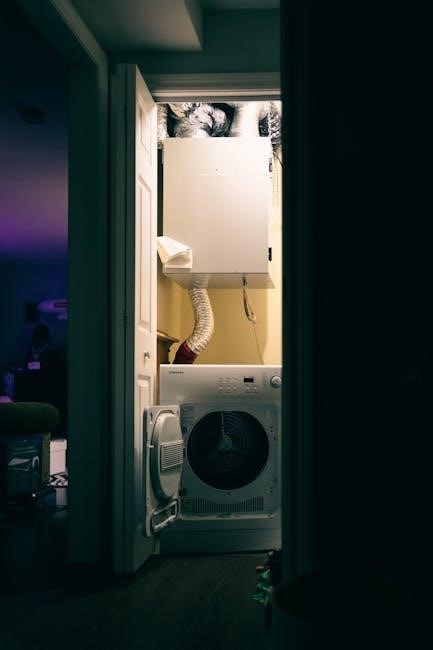
Heat pump dryers utilize a condenser that requires periodic cleaning for optimal performance. A dirty condenser reduces drying efficiency and can cause overheating. Typically‚ a condenser cleaning notification will appear on the dryer’s display.
To access the condenser‚ follow the instructions in your dryer’s specific manual – often involving removing a panel. Carefully remove the condenser unit and use a vacuum cleaner with a brush attachment to remove dust and fluff; Avoid using water or harsh chemicals. Reinstall the condenser securely‚ ensuring proper alignment. Regular cleaning maintains efficiency and prevents issues.
Cleaning the Dryer Drum
Regularly cleaning the dryer drum helps maintain hygiene and prevents residue buildup that can affect drying performance and potentially transfer to clothes. After each use‚ wipe down the drum with a soft‚ damp cloth to remove any lint or debris.
For a more thorough clean‚ use a mild detergent solution and warm water. Avoid abrasive cleaners‚ as they can damage the drum’s surface. Ensure the drum is completely dry before using the dryer again. Periodically‚ run an empty cycle with a damp cloth inside to loosen stubborn residue. A clean drum ensures efficient drying and fresh-smelling laundry.
Exterior Cleaning & Care
Maintaining the exterior of your Hotpoint tumble dryer keeps it looking its best and prevents damage. Regularly wipe down the cabinet with a soft‚ damp cloth and mild detergent. Avoid using abrasive cleaners or solvents‚ as these can discolor or damage the finish.

Pay attention to the control panel‚ gently cleaning around the buttons and display. Ensure no moisture enters the internal components. For stainless steel exteriors‚ use a stainless steel cleaner for optimal shine. Periodically check the power cord for any signs of damage and replace if necessary. A clean exterior contributes to the dryer’s longevity and aesthetic appeal.
Troubleshooting Common Issues
Encountering problems with your Hotpoint tumble dryer can be frustrating. If the dryer doesn’t start‚ check the power supply and door latch. No heating often indicates a blown heating element or faulty thermostat. Excessive drying time may stem from a clogged lint filter or blocked vent.
Strange noises during operation could signal a foreign object in the drum or worn bearings. Always disconnect the dryer from the power supply before investigating. Refer to the fault codes displayed on the control panel for specific error messages. If issues persist‚ consult a qualified service technician for assistance and avoid attempting complex repairs yourself.
Dryer Not Starting
If your Hotpoint tumble dryer fails to start‚ begin by verifying the power supply. Ensure the dryer is securely plugged into a functioning outlet and that the circuit breaker hasn’t tripped. Next‚ check the door latch; it must be firmly closed for the dryer to operate. A faulty door latch is a common cause.
Also‚ examine the start/pause button and the programme selector. Confirm the selected programme is appropriate and hasn’t been accidentally cancelled. If these checks don’t resolve the issue‚ there might be an internal electrical fault requiring professional attention. Never attempt to disassemble the dryer yourself.
Dryer Not Heating
If your Hotpoint tumble dryer isn’t heating‚ the most likely culprit is a faulty heating element. However‚ before assuming this‚ check the lint filter – a clogged filter restricts airflow and can trigger a safety cut-off. Also‚ inspect the condenser unit (on heat pump models) for blockages‚ as this impacts heating performance.
A blown thermal fuse is another common cause‚ designed to protect the dryer from overheating. Replacing this fuse requires technical expertise. If you’ve checked these components and the dryer still isn’t heating‚ a professional service technician is needed to diagnose and repair potential electrical issues within the heating system.
Excessive Drying Time
Experiencing unusually long drying cycles with your Hotpoint tumble dryer often points to airflow restrictions. Begin by thoroughly cleaning the lint filter – even a partially blocked filter significantly increases drying time. Next‚ inspect and clean the condenser unit (heat pump models)‚ as dust buildup hinders heat exchange.
Overloading the dryer also contributes to extended cycles‚ as clothes need more space to tumble freely. Ensure loads are within the recommended size. Finally‚ check the vent hose (if applicable) for kinks or blockages. If these steps don’t resolve the issue‚ a professional may need to assess the heating element or other internal components.
Strange Noises During Operation
Unusual sounds emanating from your Hotpoint tumble dryer warrant investigation. A rattling noise could indicate loose objects – coins‚ buttons – trapped within the drum or in the lint filter housing. A squealing sound often suggests worn-out drum support rollers or the idler pulley‚ requiring professional attention.
Grinding noises may signal a problem with the motor or its bearings. Thumping sounds could be caused by an unbalanced load. Always ensure the dryer is level. If the noise persists after checking these common causes‚ discontinue use and contact a qualified service technician to diagnose and repair the issue‚ preventing further damage.
Hotpoint Tumble Dryer Service Information
Qualified technicians require specific procedures for servicing Hotpoint tumble dryers. Accessing Demo Mode allows for functional testing without a laundry load; deactivation returns the dryer to normal operation. The Autotest Procedure systematically checks key components – heater‚ motor‚ sensors – providing diagnostic insights.
Understanding Fault Codes and Error Messages displayed on the control panel is crucial for efficient repair. These codes pinpoint specific malfunctions‚ guiding technicians towards the source of the problem. Refer to the comprehensive service manual for detailed code definitions and troubleshooting steps‚ ensuring accurate diagnosis and effective repairs.
Demo Mode Activation/Deactivation

Demo Mode facilitates showcasing the tumble dryer’s features without requiring actual laundry. Activation typically involves a specific button sequence pressed while the unit is off‚ often a combination of the ‘Start/Pause’ and ‘Temperature’ buttons. The display will indicate Demo Mode is active.
Deactivation reverses this process‚ returning the dryer to standard operational settings. This ensures customers experience the dryer as intended for everyday use. Consult the detailed service manual for the precise button combination for your specific Hotpoint model‚ as sequences can vary. Proper activation and deactivation are vital for accurate demonstrations and reliable performance.
Autotest Procedure & Sequence
The Autotest function is a diagnostic tool for qualified service technicians‚ enabling comprehensive system checks. Activation usually involves entering a specific service menu via a button sequence – often ‘Start/Pause’ combined with other controls – while powering on the dryer.
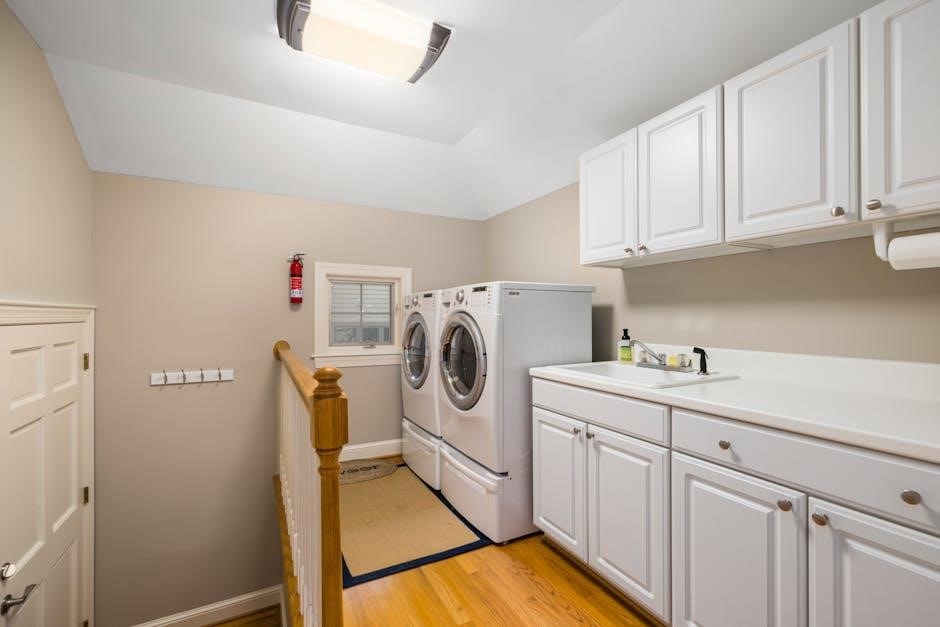
The sequence systematically tests components like the heater‚ motor‚ sensors‚ and control board. The display will show test results or error codes. Technicians use these results to pinpoint malfunctions efficiently. Refer to the detailed service manual for the exact Autotest procedure and interpretation of codes for your specific Hotpoint model. Caution: This function is for trained personnel only.
Fault Codes & Error Messages
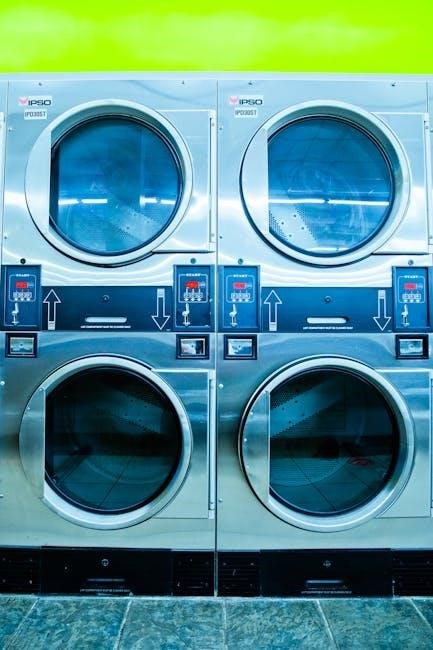
Hotpoint tumble dryers utilize error codes to signal malfunctions‚ aiding technicians in rapid diagnosis. These codes‚ displayed on the control panel‚ represent specific issues – from heating element failures to sensor problems or blocked vents.
Common codes might indicate a blocked lint filter‚ a faulty temperature sensor‚ or a communication error within the control system. The service manual provides a complete list of codes and their corresponding solutions. Important: Do not attempt repairs based solely on error codes; always consult a qualified technician for accurate assessment and safe repair procedures. Ignoring codes can lead to further damage.
Recalls & Safety Notices
Hotpoint tumble dryers have been subject to significant recalls‚ notably in 2015 and subsequent years‚ due to a fire risk stemming from lint accumulation near heating elements. Whirlpool‚ the parent company‚ initially advised users to disconnect dryers if they fell within affected model ranges‚ later offering free repairs or replacements.
Fire safety is paramount; regularly cleaning the lint filter and condenser unit (for heat pump models) is crucial. Always heed official safety notices and recall information published by Hotpoint and relevant consumer safety organizations. Contacting Hotpoint support is essential for verifying if your dryer is affected by any current recalls or safety alerts.
Whirlpool Tumble Dryer Recall (2015 & Subsequent)
Whirlpool initiated a large-scale recall affecting approximately 500‚000 tumble dryers – including Hotpoint models – beginning in 2015‚ due to a potential fire hazard. The issue centered around lint build-up in the dryer‚ which could come into contact with heating elements. Initially‚ the advice was to disconnect the appliances‚ causing considerable consumer frustration.
Later‚ Whirlpool offered modifications‚ repairs‚ or replacements. The recall process faced criticism from trading standards and Which? for being slow and complex. Owners are urged to check Hotpoint’s website or contact customer support to determine if their dryer is part of the recall and to arrange for necessary action‚ prioritizing safety.
Fire Safety Information
Tumble dryers‚ while convenient‚ present a potential fire risk if not used and maintained correctly. Regularly cleaning the lint filter after each use is crucial to prevent lint accumulation‚ a primary fuel source in dryer fires. Avoid drying items that have come into contact with flammable substances like oil or solvents.
Never leave a dryer running unattended‚ especially during longer cycles. Ensure the dryer is properly ventilated and not obstructed. If you notice unusual smells‚ noises‚ or excessive heat‚ immediately stop the dryer and unplug it. Refer to the recall information to verify if your model is affected by known safety concerns‚ and follow Hotpoint’s guidance.
Contacting Hotpoint Support
For assistance with your Hotpoint tumble dryer‚ several avenues are available. Visit the official Hotpoint website for a comprehensive FAQ section‚ troubleshooting guides‚ and access to downloadable manuals. You can also reach their customer support team via phone; check the website for the most current contact number‚ as it may vary by region.
Alternatively‚ explore online support forums and communities where other users share experiences and solutions. When contacting support‚ have your dryer’s model number readily available to expedite the process. Keep records of all communication‚ including dates‚ times‚ and representative names‚ for future reference. Hotpoint prioritizes customer safety and satisfaction.