vermont curry instructions
Overview of Vermont Curry
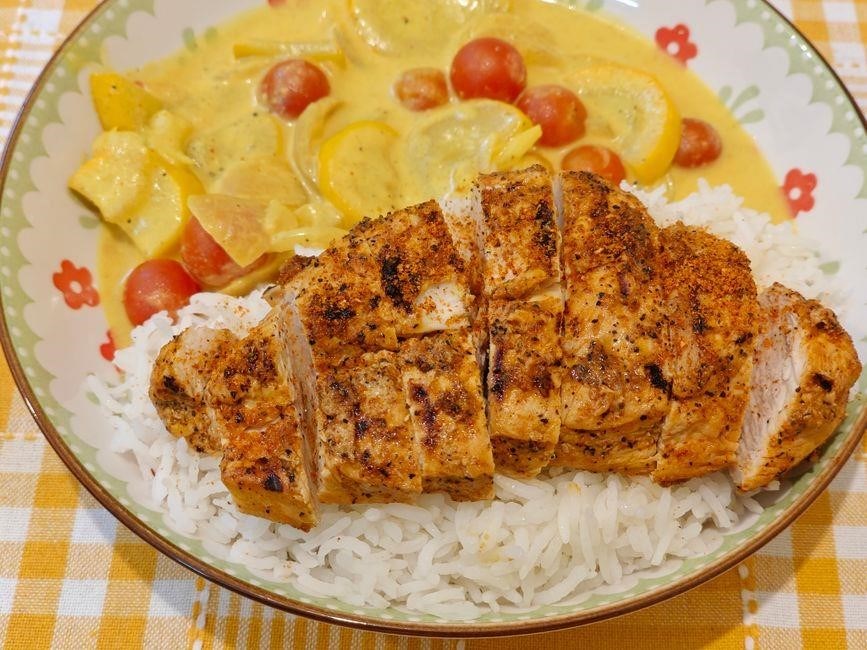
Vermont curry, a Japanese staple, blends sweet, mild spices with a roux base. The mix typically includes curry roux cubes, vegetables like onions, potatoes, carrots, and optional protein such as pork or chicken. It’s simmered with water, then served over rice. Add soy sauce for depth and spice.!!!??..;
Core Ingredients
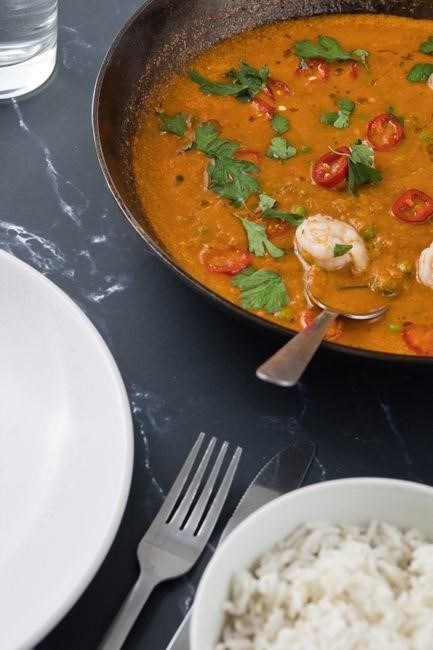
Key components: a curry roux block (or cubes), a protein such as pork, chicken, or tofu, root vegetables—onions, potatoes, carrots—and seasonings including salt, pepper, and optional soy sauce or miso for depth. Combine these for a comforting, aromatic dish. Typical servings are 4–6, and the curry is best enjoyed hot. Enjoy!!.
Base Curry Roux
Vermont curry’s heart is its roux, a pre‑made block or cube that delivers a sweet, mild flavor profile. A standard 4‑oz (115 g) box contains a blend of wheat flour, vegetable oil, and spices such as turmeric, coriander, and a touch of cinnamon. The roux is designed to thicken and flavor the sauce without the need for additional starches. To use, simply break the block into bite‑sized pieces and add them to a pot of simmering water or broth. Stir until the cubes melt completely, forming a smooth, golden‑brown base. The ratio of roux to liquid is typically 1:3 by volume; for a 4‑serving dish, use one box and about 4 cups (1 L) of water. Adjust the amount of roux for desired thickness: more cubes for a thicker, richer sauce; fewer for a lighter consistency. Some cooks add a splash of soy sauce or a dash of miso after the roux has dissolved to deepen the umami. The Vermont roux is versatile—mix it with other curry cubes, such as the hot Java or the medium Golden, to create a layered flavor profile. It’s also compatible with both stovetop and slow‑cooker methods, making it a convenient pantry staple for quick weeknight meals or elaborate weekend feasts. The key is to let the roux melt slowly, allowing the spices to bloom and the sauce to develop a silky texture that coats meats and vegetables evenly. Once the roux has fully incorporated, the curry is ready to accept proteins and vegetables, which will absorb the sweet, aromatic base and create a comforting, satisfying dish.
The result is silky, fragrant sauce that comforts soul!!
Protein Options
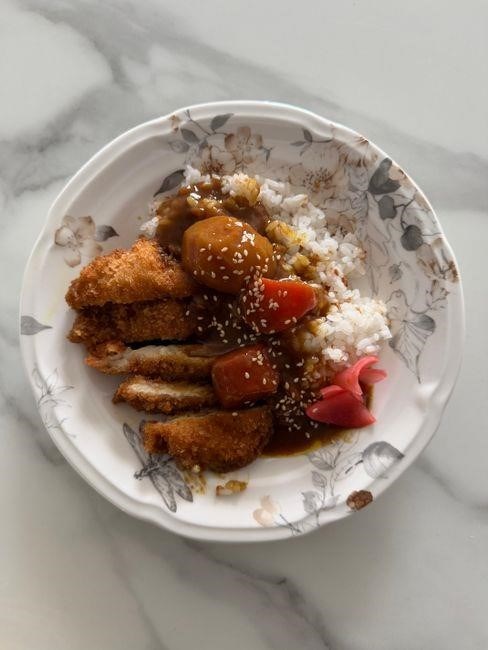
Vermont curry adapts to many proteins, each bringing its own texture and flavor. Traditional choices include pork shoulder or pork rib, cut into bite‑sized cubes; the meat’s fat content balances the curry’s sweetness. Chicken thighs, boneless and skinless, are a popular lean alternative; they absorb the sauce and stay moist after simmering. Beef, such as chuck or brisket, can be sliced thinly, then browned before adding the roux for a richer, deeper taste. For a vegetarian twist, tofu or tempeh are excellent; firm tofu is cubed and lightly fried to keep shape, while tempeh offers a nutty undertone that complements the curry’s mild spices. Eggplant, a common substitute in one‑pot meals, is diced and sautéed first to prevent it from disintegrating, then simmered with the rest of the ingredients. Seafood, like shrimp or scallops, can be tossed in during the last few minutes of cooking to avoid overcooking. Each protein choice can be seasoned with a pinch of salt, pepper, and a splash of soy sauce before cooking, enhancing the overall depth of flavor. The versatility of Vermont curry allows cooks to experiment,ensuring that every meal feels both comforting and adventurous. Chefs often tweak the protein’s texture by marinating in a splash of soy sauce, a hint of ginger and a drizzle of sesame oil before cooking, which deepens the curry’s aroma and adds a subtle nutty finish. Additionally, a squeeze of fresh lime juice brightens the dish, balancing sweetness with a citrus zing that elevates every bite. Fresh zest, wow!
Vegetables
Vermont curry’s vegetable lineup is both classic and customizable, ensuring a hearty, aromatic base. The staple trio—onions, potatoes, and carrots—provides sweetness, body, and earthiness. Typically, medium‑sized onions are sliced thin and sautéed until caramelized, releasing a mellow aroma that underpins the curry’s flavor profile. Potatoes, cut into 1‑inch cubes, absorb the sauce and add a comforting, creamy texture once they soften. Carrots, sliced into rounds or sticks, contribute subtle sweetness and a bright color that signals the dish’s wholesome nature. For a richer flavor, many cooks add diced sweet potatoes, which caramelize and lend a natural sweetness that balances the curry’s mild spices. Eggplant is a popular vegetarian addition; when diced and fried before simmering, it maintains its shape and absorbs the sauce, creating a silky, smoky undertone. Other vegetables such as bell peppers, zucchini, or green beans can be tossed in during the final simmer, offering crunch and freshness. A splash of fresh ginger and a pinch of garlic powder during the sauté phase further deepen the aromatic profile. Finally, a handful of frozen peas or corn kernels added in the last minutes of cooking adds a pop of color and a contrast that brightens the overall dish. Each vegetable’s contribution is carefully timed to ensure optimal texture and flavor integration, making every bite a blend of savory, and comforting elements. A dash of soy sauce or miso paste can be stirred in to enhance the savory notes, and a drizzle of sesame oil at the finish adds a nutty finish that ties the vegetable medley together.
Seasonings
Vermont curry’s seasoning palette is intentionally restrained, allowing the roux’s gentle sweetness to shine while layering subtle depth. The core seasoning is a pre‑made curry roux block, which blends turmeric, coriander, cumin, and a touch of cinnamon for warmth. Many cooks enhance this base with a splash of soy sauce, adding umami and a faint saltiness that balances the curry’s natural sweetness. A dash of miso paste can be stirred in during the simmer to deepen the savory profile and introduce a fermented nuance. Fresh aromatics—minced garlic, grated ginger, and sliced scallions—are sautéed at the start to release their oils, creating a fragrant foundation. For a touch of brightness, a squeeze of fresh lime or a sprinkle of rice vinegar is added just before serving, cutting through the richness. Optional spice adjustments include a pinch of red pepper flakes or a small amount of cayenne pepper for heat, though Vermont curry traditionally remains mild. Finally, a drizzle of toasted sesame oil at the finish imparts a nutty aroma that complements the curry’s mellow sweetness. Seasoning variations are endless; some chefs incorporate a pinch of star anise for a subtle licorice note, or a teaspoon of ground cardamom for aromatic warmth. Adding a splash of coconut milk at the end creates a silky mouthfeel and balances the curry’s sweetness, while a drizzle of fresh cilantro or chopped parsley brightens the dish. Finally, a sprinkle of toasted pumpkin seeds or sesame seeds before serving adds a pleasant crunch nutty flavor that complements the overall profile;
Step-by-Step Instructions
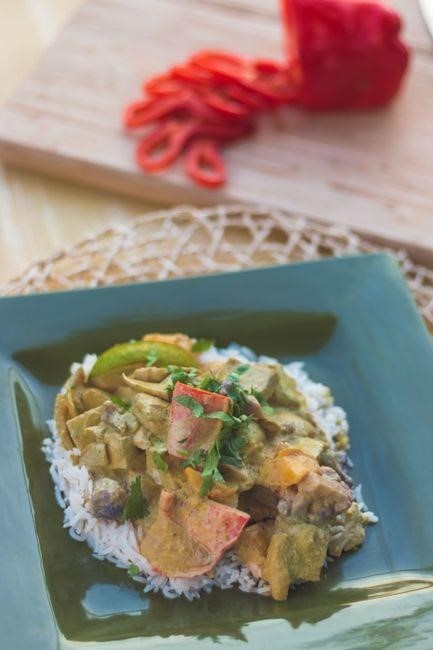
Begin by heating oil in a pot. Add diced onions, carrots, and potatoes; sauté until translucent. Stir in the Vermont curry roux cubes, breaking them into the mixture. Pour in water, bring to a boil, then reduce heat and simmer until vegetables soften. Add protein, cook until done.! Serve hot over rice.
Ingredient Prep
Start by gathering all items listed in the recipe: a 4.05‑oz Vermont curry box, 1.1‑lb (500 g) meat of choice, 4 onions (1.8 lb, 800 g), 3 potatoes (1 lb, 450 g), 1 carrot (7 oz, 200 g), 2 Tbsp vegetable oil, and water (5 4/5 cups, 1,400 ml, or 5 1/5 cups, 1,250 ml for a covered pot). Peel the potatoes and carrot, then cut them into bite‑sized cubes; Dice the onions finely to ensure even cooking. If using pork, trim excess fat and cut into 1‑inch pieces; for chicken, cut into similar chunks. Measure the curry roux cubes—typically two medium‑size cubes for a standard batch. Prepare a small bowl of warm water to help dissolve the roux later. Keep all ingredients within arm’s reach to streamline the cooking process. The key to a smooth curry is uniform vegetable size and a balanced water ratio, which prevents the sauce from becoming too thick or too thin. Once everything is prepped, you’re ready to move to the sautéing stage, where the aromatics will bloom and the roux will begin to thicken the base.

After cutting, rinse the vegetables briefly to remove excess starch, which helps the curry thicken evenly. Arrange the meat pieces on a plate, patting them dry to promote browning during the sauté stage. Measure the water precisely; too much liquid will dilute flavors, while too little will result in a thick, almost gravy‑like consistency. Finally, set a timer for 15 minutes to allow the aromatics to meld before adding the roux.
If you prefer a spicier kick, sprinkle a pinch of cayenne pepper or a splash of soy sauce before simmering. For a richer mouthfeel, stir in a tablespoon of butter or a splash of cream at the end. These subtle tweaks can elevate the dish from ordinary to memorable. Enjoy the aroma as it fills the kitchen, and savor the comforting flavors—
Sautéing Base

Heat the vegetable oil in a large, heavy‑bottomed pot over medium heat. Add the diced onions and sauté until they turn translucent and fragrant, about five minutes, stirring frequently to avoid burning. Once the onions are softened, introduce the meat pieces—pork, chicken, or beef—searing them on all sides until a golden crust forms; this caramelization locks in flavor and adds depth. After the meat is browned, add the cubed potatoes and carrot, tossing them so they’re evenly coated with the onion‑oil mixture. Pour in the pre‑measured water, bringing the contents to a gentle boil. Break the Vermont curry roux cubes into smaller shards and sprinkle them over the boiling liquid, stirring constantly until the roux dissolves completely, creating a thick, amber‑colored sauce that coats the ingredients. Reduce the heat to low, cover the pot, and let the mixture simmer for ten to fifteen minutes, or until the vegetables are tender and the meat is cooked through. Stir occasionally to prevent sticking and to ensure even heat distribution. If the sauce thickens too much, add a splash of water to reach the desired consistency; if it’s too thin, let it reduce further. Season with a pinch of salt and a dash of pepper, and for an extra layer of umami, stir in a teaspoon of soy sauce or a drizzle of Worcestershire sauce toward the end of simmering. This sautéing base forms the heart of the dish, balancing sweetness, mild heat, and savory richness that defines Vermont curry. After the base is ready, taste and adjust seasoning. If you prefer a spicier kick, add a pinch of cayenne pepper or a splash of hot sauce. For a creamier texture, stir in a tablespoon of butter or a splash of coconut milk just before serving. Let the curry rest for a few minutes to allow flavors to meld fully. The result is a velvety sauce that clings to each bite, ready to be poured over steaming rice or served with naan. Enjoy the comforting aroma that fills the kitchen.
Simmering and Finishing
After the sautéed base has thickened, reduce the heat to low and cover the pot. Let the curry gently simmer for 20–25 minutes, allowing the flavors to meld and the vegetables to reach a tender bite. Stir occasionally to prevent the roux from sticking to the bottom. If the sauce appears too thick, add a splash of water or broth to achieve the desired consistency. Once the vegetables are soft and the meat is fully cooked, taste the curry and adjust the seasoning: a pinch of salt, a dash of pepper, or a splash of soy sauce can brighten the dish. For a richer mouthfeel, stir in a tablespoon of butter or a drizzle of coconut milk just before turning off the heat. Let the curry rest for a few minutes; this resting period helps the flavors to settle. Finally, ladle the hot, fragrant sauce over freshly steamed rice, and garnish with chopped scallions or a sprinkle of toasted sesame seeds if desired. Serve immediately, and enjoy the comforting, aromatic blend that defines Vermont curry. Enjoy the aroma, savor warmth Now
Before serving, check the consistency; if the curry is too thick, stir in a splash of milk or broth to loosen it. Sprinkle a pinch of cayenne pepper or a few drops of chili oil. Finish with a drizzle of sesame oil or a squeeze of lime for brightness. If you prefer a richer sauce, stir in a tablespoon of butter or a spoonful of yogurt at the end. Let the curry sit for a minute to meld flavors, then ladle over rice or noodles. Garnish with chopped cilantro a dollop of yogurt for extra texture and freshness
Serving and Pairing Tips
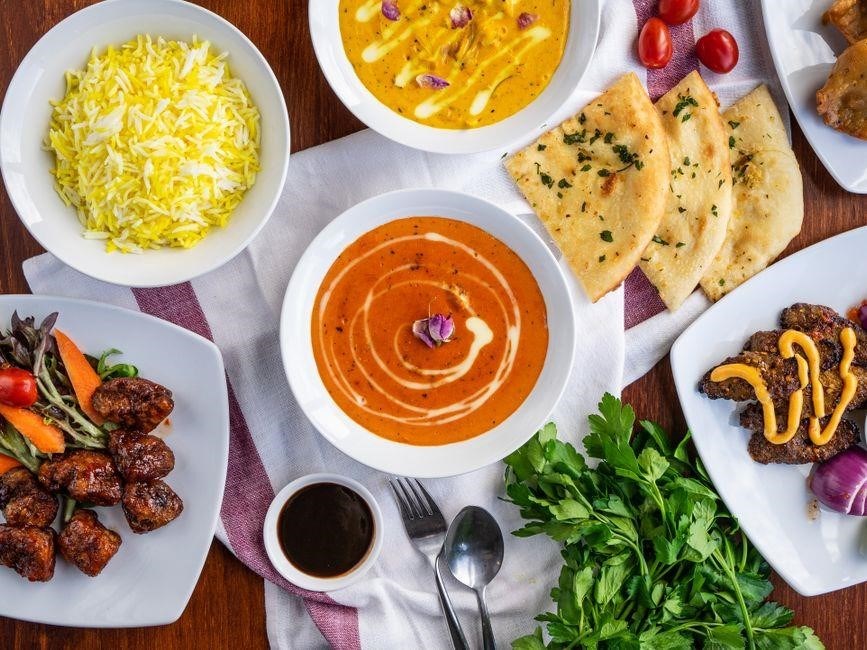
Serve Vermont curry over steaming white rice, letting the sauce pool on top. Pair with a crisp cucumber salad or pickled daikon for acidity A dollop of plain yogurt or a splash of coconut milk softens heat. Finish with cilantro or toasted sesame seeds for aroma.
Rice Pairing
When serving Vermont curry, the most traditional accompaniment is steamed Japanese short‑grain rice, which balances the sauce’s sweetness and mild heat. The grains should be fluffy, not sticky, so use a rice cooker set to “normal” or “white rice” mode, rinsing the rice until the water runs clear. A 1:1.5 rice‑to‑water ratio works well for 4 servings. After cooking, let the rice rest for 10 minutes, then fluff with a bamboo paddle or fork. For extra flavor, stir a teaspoon of toasted sesame oil or a pinch of furikake into the hot rice. Serve the curry ladled over a mound of rice, allowing the sauce to seep into the grains. A side of lightly pickled cucumber or a small bowl of miso soup enhances the meal’s umami profile. Finally, garnish the rice with a sprinkle of chopped scallions or a drizzle of soy sauce for depth. This combination delivers a harmonious balance of textures and tastes that showcases the curry’s subtle sweetness while keeping the dish comforting and satisfying. If you prefer a richer base, stir in a tablespoon of butter or a splash of cream before serving. For a subtle citrus lift, squeeze a few drops of fresh lime juice over the rice. A handful of toasted coconut flakes adds texture and a tropical hint. Keep the rice warm by covering it with foil or placing it in a low‑heat oven until ready to serve. Serve the rice in a shallow bowl, allowing the steam to mingle with the curry aroma, and enjoy the comforting blend of flavors that makes this dish a family favorite. Add a squeeze of lime for brightness .now.
Side Condiments
Vermont curry pairs beautifully with a variety of side condiments that enhance its mellow sweetness and add contrasting textures. A classic Japanese accompaniment is fukkinzuke, a lightly pickled cucumber and carrot mixture that provides a crisp, vinegary bite. Gari, the thinly sliced, sweet‑spiced daikon radish, offers a refreshing palate cleanser and balances the curry’s richness. A small bowl of shoyu (soy sauce) allows diners to adjust saltiness to taste, while a dab of wasabi can introduce a subtle heat for those who enjoy a kick. For a Western twist, a drizzle of ketchup or a spoonful of mustard can complement the curry’s sweetness. A sprinkle of toasted sesame seeds adds nutty aroma, and a splash of mirin or a dash of rice vinegar brightens the overall flavor profile. Some households enjoy a side of kimchi for its fermented tang, which contrasts nicely with the creamy sauce. If you prefer a creamy element, a dollop of yogurt or a spoonful of cream cheese can mellow the spice; Finally, a handful of fresh cilantro or chopped scallions provides a fresh, herbal note that lifts the dish. These condiments can be served on the side or folded into the curry, giving each bite a personalized flavor experience. Add a splash of lime for brightness. A pinch of chili flakes can boost heat. Serve with a side of fresh salad for crunch. A drizzle of sesame oil enhances aroma. A spoonful of miso adds depth. Enjoy
Variations & Tips
Mix two Vermont cubes with one Java for heat, or add a splash of miso for umami. Swap pork for tofu, eggplant, or sweet potato to keep it vegetarian. Stir in a handful of frozen peas in the last 5 minutes for color. Finish with a squeeze of lime for brightness. Serve hot, ginger in
Vegetarian Adaptations
To transform Vermont curry into a plant‑based delight, replace the meat with hearty vegetables or protein substitutes. A popular choice is to slice eggplant into thick rounds, lightly salt them, and sauté until golden before adding them to the pot; this preserves texture. Sweet potatoes, cut into 1‑inch cubes, add natural sweetness and body. For a protein boost, cube firm tofu, press to remove excess moisture, and pan‑fry until crisp, then fold in during the last 10 minutes of simmering; If you prefer a creamy texture, stir in a spoonful of coconut milk or a splash of miso toward the end, which also deepens the umami profile. A squeeze of fresh lime juice brightens the dish, while a pinch of ground cumin or smoked paprika can introduce subtle warmth. Serve the curry over steamed jasmine rice, and offer optional toppings such as chopped scallions, toasted sesame seeds, or a dollop of plain yogurt for contrast. These tweaks keep the classic Vermont flavor while ensuring a satisfying vegetarian meal.
For a richer flavor, simmer the curry with a splash of soy sauce and a handful of chopped fresh cilantro right before serving. If you crave heat, add a pinch of cayenne or a sliced fresh chili, a drizzle of toasted sesame oil at the end adds depth. To make the dish more filling, incorporate cooked lentils or chickpeas, which absorb the curry’s sweetness. Finally, garnish with a sprinkle of toasted coconut flakes for a tropical twist.
Adjust salt or sweetness as you taste, and savor the aroma of this plant‑based curry.!!